
In modern manufacturing, cold forging is widely used in the automotive, aerospace, electronics and machinery manufacturing industries due to its high efficiency, precision and energy saving.
As the core equipment of the cold forging process, the cold forging press machine applies high pressure to the metal at room temperature to make it plastically deform and form the desired shape. This process can not only improve the utilization rate of materials and reduce waste, but also enhance the strength and surface quality of parts.
This article will introduce in detail the working principle, main types and application advantages of the cold forging press machine in industrial production, to help you better understand this advanced manufacturing technology.
What is a cold forging press machine?
A cold forging press is a device that uses high pressure at room temperature to plastically deform a metal blank. Its basic working principle is to place the metal blank in a specially designed die (or die cavity), and then use a press (usually hydraulic or mechanical) to apply a continuous and uniform large force to press the metal into the die, causing it to flow plastically and gradually fill the shape of the die.
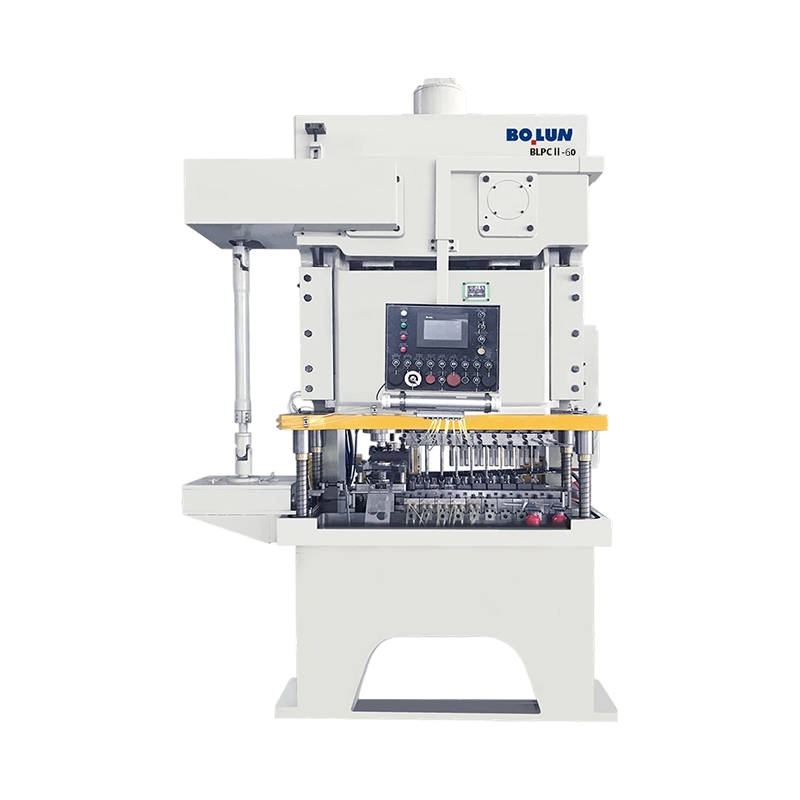
Knuckle-joint Cold Forging Press
In this process, the metal is deformed after being subjected to force at room temperature (accompanied by a certain amount of work hardening), thereby forming a component with a better internal structure and higher strength. Since no heating is required, the cold forging process can not only improve material utilization and reduce waste, but also make the surface quality of the finished product better and save the cost and process of subsequent processing.
Main features of cold forging press machine
High precision and consistency
Cold forging presses use high-precision molds and advanced process control systems to achieve uniform and stable pressure distribution during the stamping process, ensuring that each part is highly consistent in size, shape and structure. This high precision and repeatability are particularly important for industries with strict mass production requirements.
Excellent mechanical properties
Due to plastic deformation at room temperature, metals will undergo work hardening, internal grain refinement and rearrangement during the stamping process, significantly improving the tensile strength, wear resistance and fatigue life of parts. This makes cold forging products safer and more reliable when subjected to high loads and impacts.
High production efficiency
Modern cold forging presses usually integrate automatic feeding systems, fast die change devices and intelligent control technology to achieve continuous, stable and high-speed production. The near-net forming process greatly reduces the secondary processing links, reduces the overall production cycle and labor costs, and thus improves production efficiency and capacity utilization.
High material utilization, energy saving and environmental protection
Since the entire processing process is carried out at room temperature and no heating is required, energy consumption is greatly reduced. At the same time, cold forging technology can achieve near-net-shape forming of parts, reduce cutting waste and material loss, which not only reduces production costs, but also meets the requirements of green manufacturing and sustainable development.
Excellent surface quality
The cold forging press machine makes the finished product surface smooth and has few defects through precise die forming and uniform pressure. Many parts can be put into use directly without subsequent processing. This not only saves processing costs, but also meets applications with high requirements for appearance and precision.
Application fields of cold forging press machine
Automotive industry
In automobile manufacturing, cold forging presses are widely used to produce engine parts (such as connecting rods, crankshafts, piston pins), transmission system components, body structural parts and various fasteners. Cold forging products can not only meet the requirements of high strength and fatigue resistance, but also achieve lightweight design, thereby improving the overall performance and fuel economy of the car.
Aerospace
The aerospace field has extremely high requirements for the safety and reliability of parts. Parts produced by cold forging, such as structural brackets, fasteners and other key parts, can work stably for a long time under extreme working conditions due to their excellent mechanical properties and fatigue resistance, ensuring the safe operation of aircraft and aerospace equipment.
Electronics and home appliances
In the manufacturing process of electronic equipment and home appliances, cold forging presses can be used to produce various small, high-precision parts, such as connectors, springs, fixings and fuselage structural parts. These parts require good surface quality and dimensional accuracy, and the cold forging process can meet this demand.
Mechanical manufacturing and tool industry
Many parts in various mechanical equipment and industrial tools need to withstand high mechanical loads and repeated impacts. Cold forging presses can produce high-strength, high-wear-resistant and long-life parts, such as machine tool parts, molds, fasteners and various structural parts. These products play an important role in industrial automation and high-precision manufacturing.
Other fields
In addition to the above traditional fields, cold forging technology is also used in construction, medical equipment, consumer electronics and other light industrial fields. Cold forging presses can process a variety of metal materials (such as steel, aluminum, copper, titanium, etc.), and meet the diverse needs of different fields for product strength, precision and appearance through process optimization.
About us
Bolun is a professional cold forging press manufacturer, focusing on the R&D and production of high-precision and high-efficiency cold forging equipment. With advanced manufacturing technology and strict quality control, Bolun’s products are widely used in the automotive, aerospace, electronics, machinery manufacturing and other industries, helping customers improve production efficiency and product quality.
Bolun Press
We are committed to providing stable and reliable equipment and high-quality after-sales service to meet the global market demand for high-performance cold forging presses.
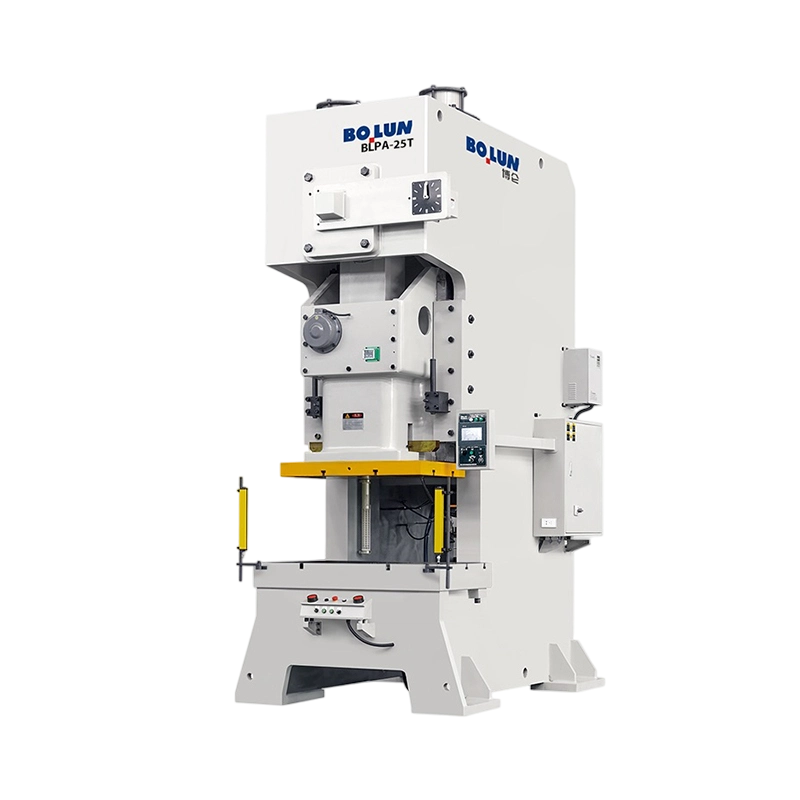


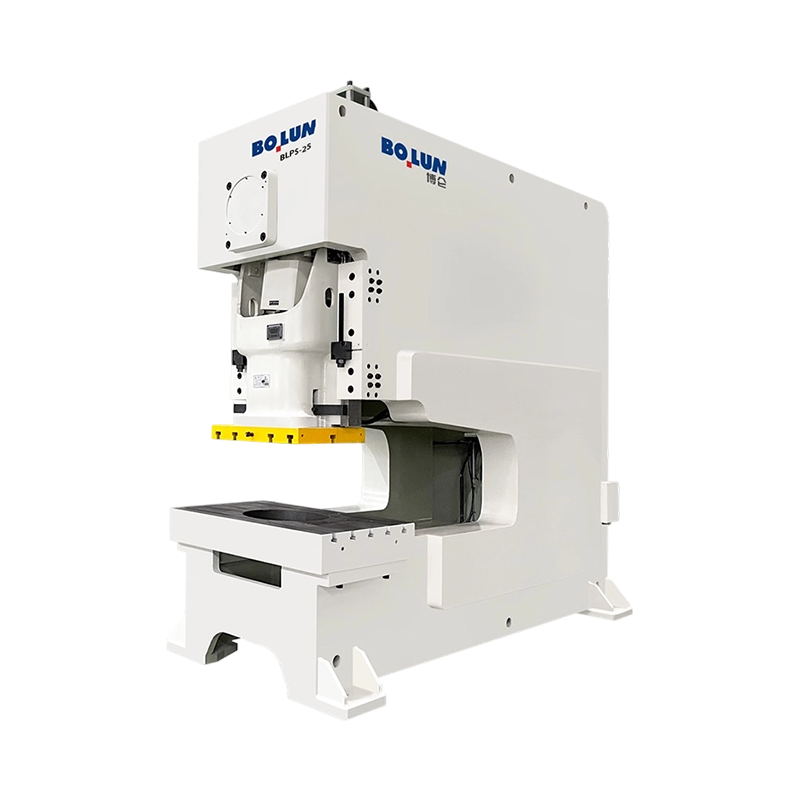
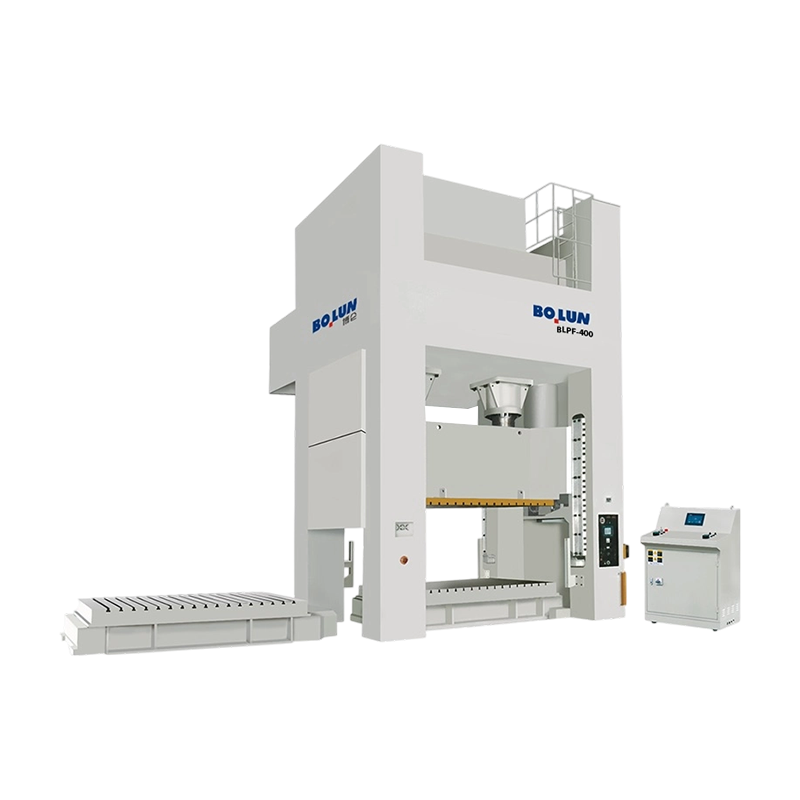
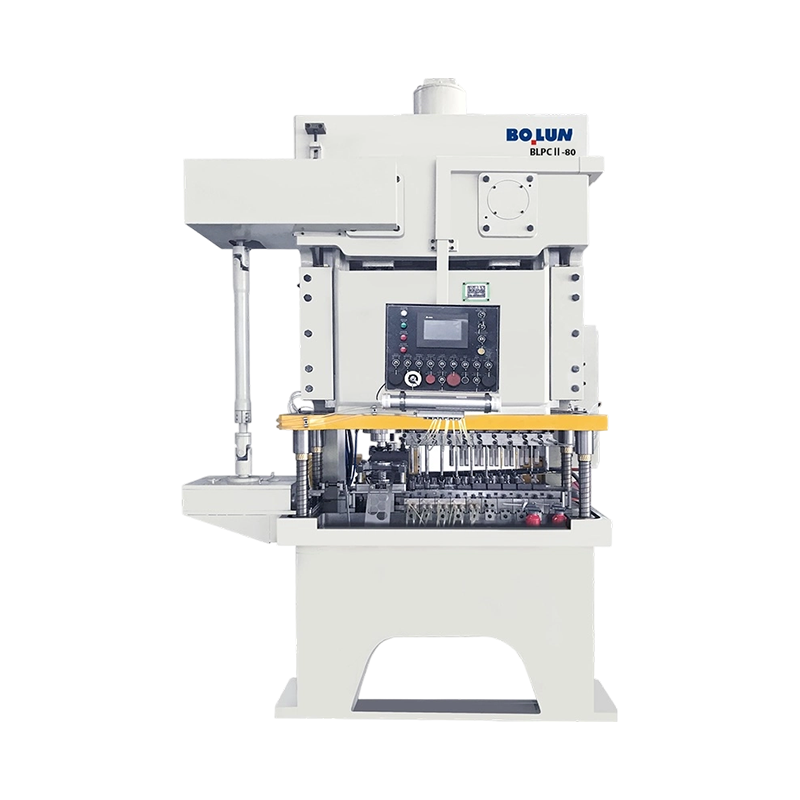
Manufacturing & Metalworking A direct, practical look at how mechanical pre...
Put a 160-ton open-frame press and a 160-ton closed-frame press side by side an...
What Is a Power Press? A power press — also called a stamping press or punch pr...
A production manager walks into an engineering meeting with a stack of drawings...
Power press machines are classified in two main ways: by frame construction, w...
Understanding Mechanical Power Presses and Their Essential Functions A mechani...
Contact Us

+86-575-83362228

+86-13735238388

+86-575-83362999

+86-15158259588

Hangzhou Office Add: No. 332 Wangjiang East Road, Shangcheng District

No.1 Linjiang Road East, Xiaren, Jinting Town, Shengzhou City, Zhejiang Province, China
Ready to Begin?
Get in Touch

Now!

ZHEJIANG BOLUN
 English
 中文简体
中文简体
