
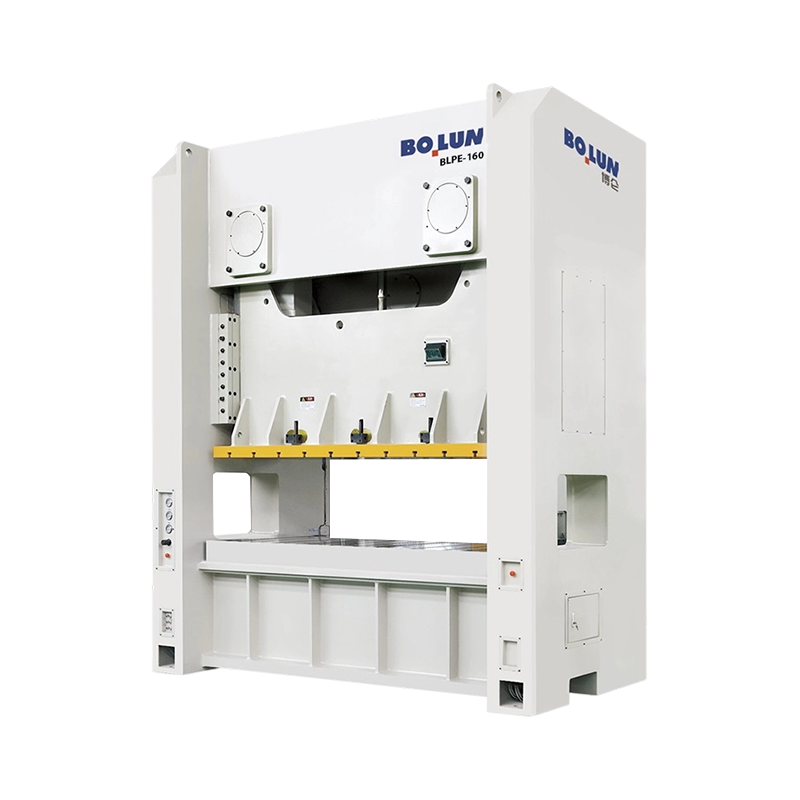


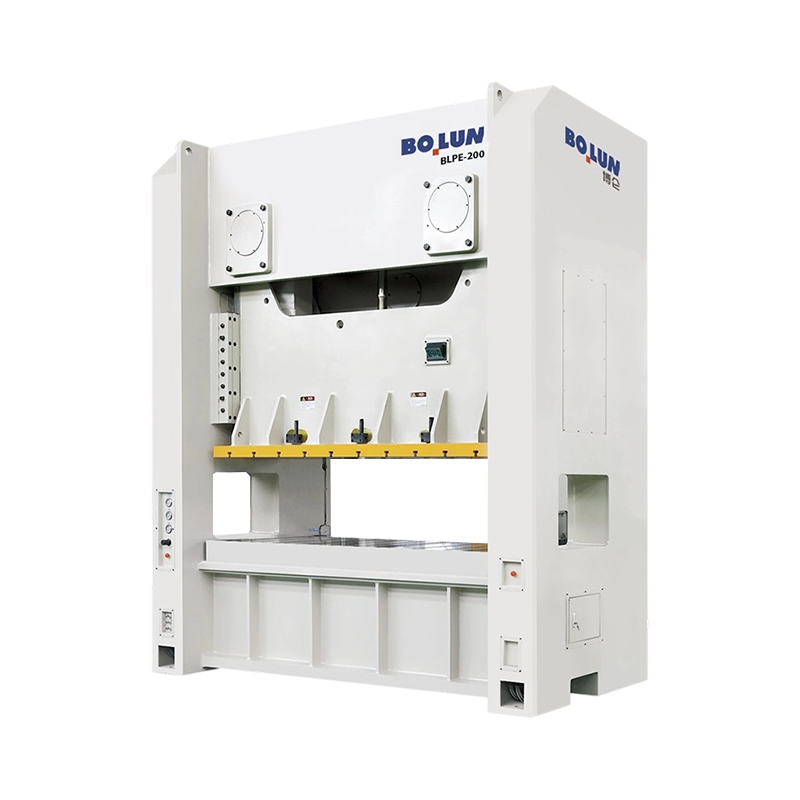
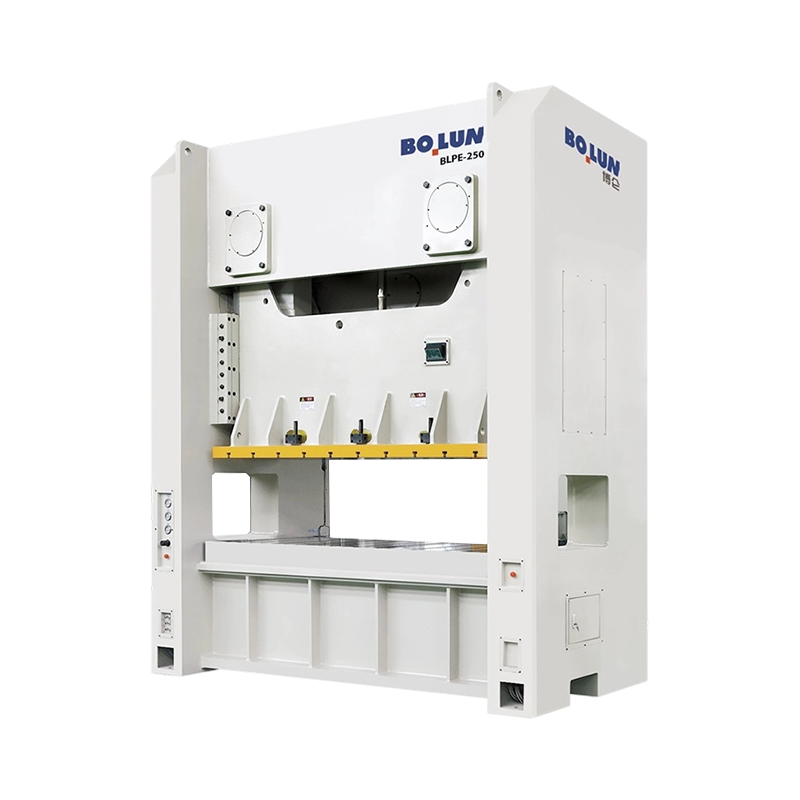
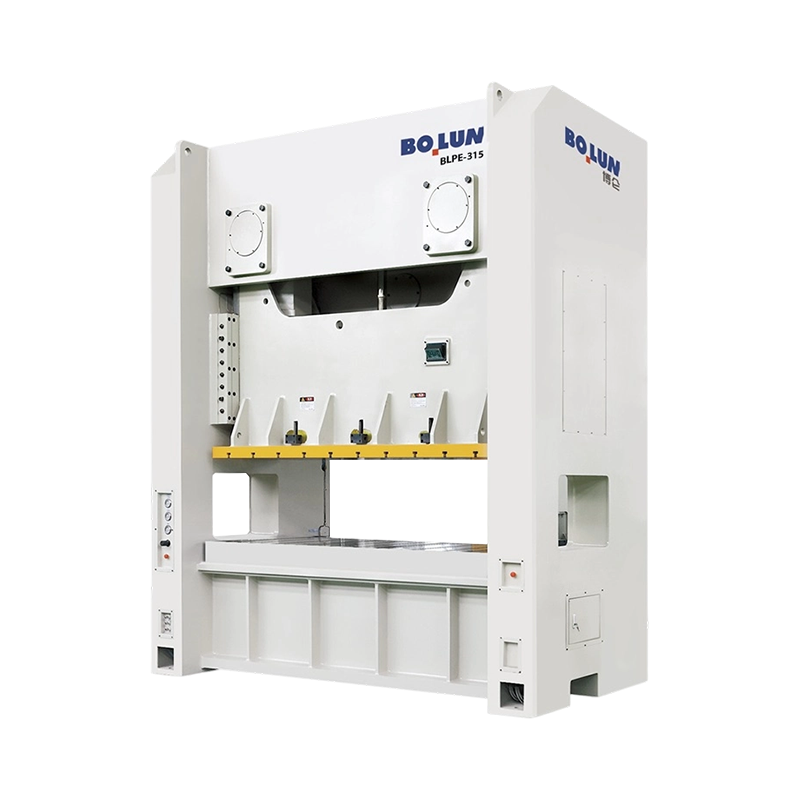
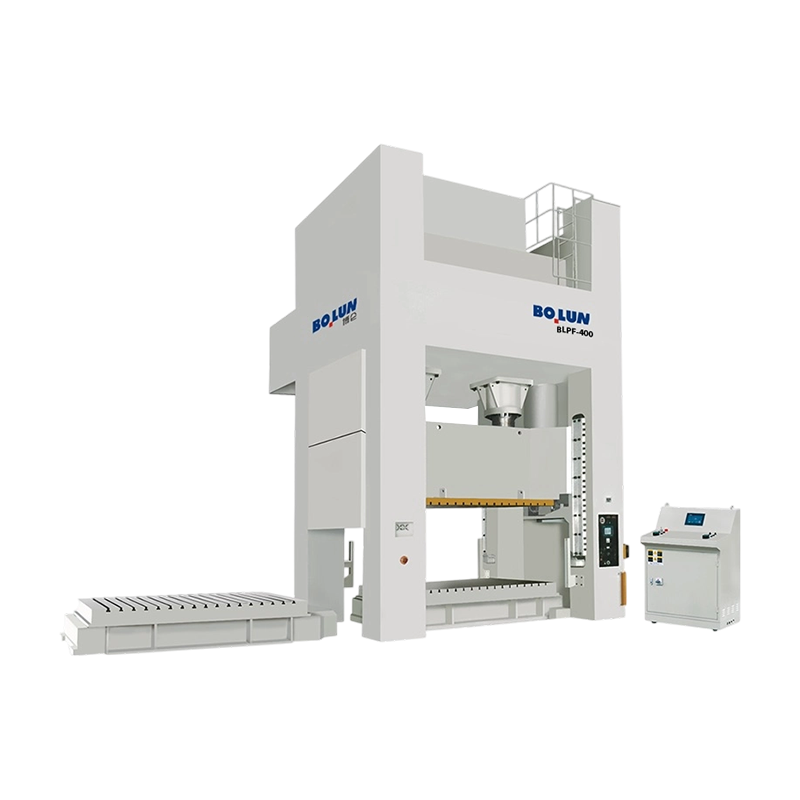
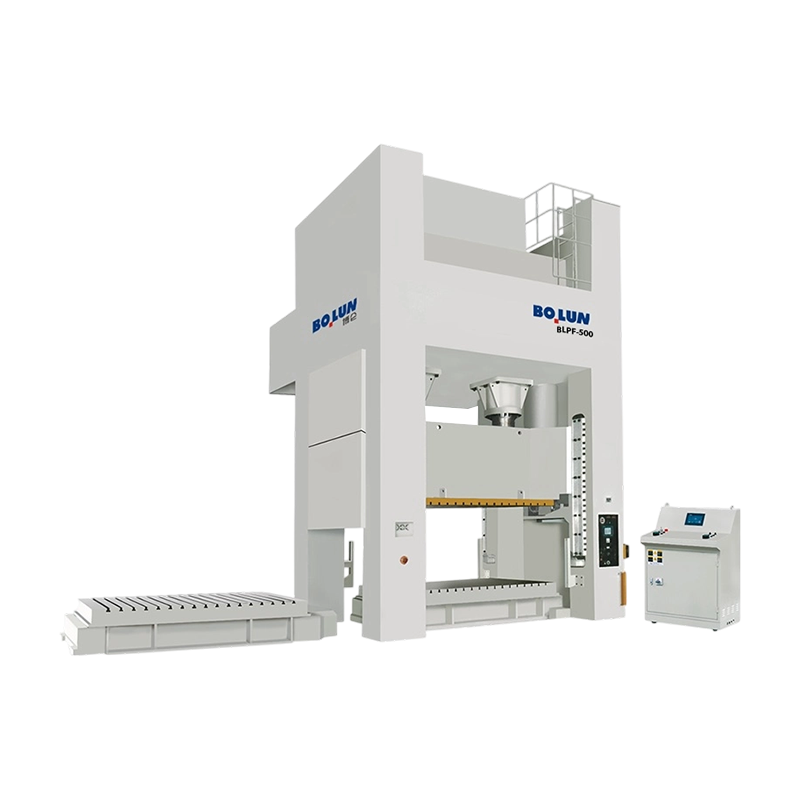
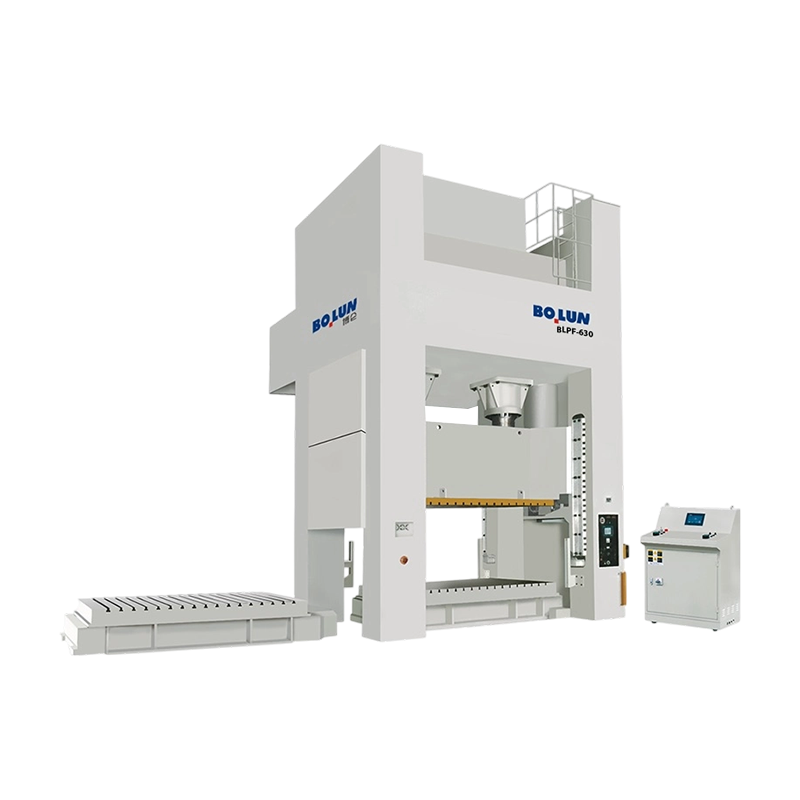
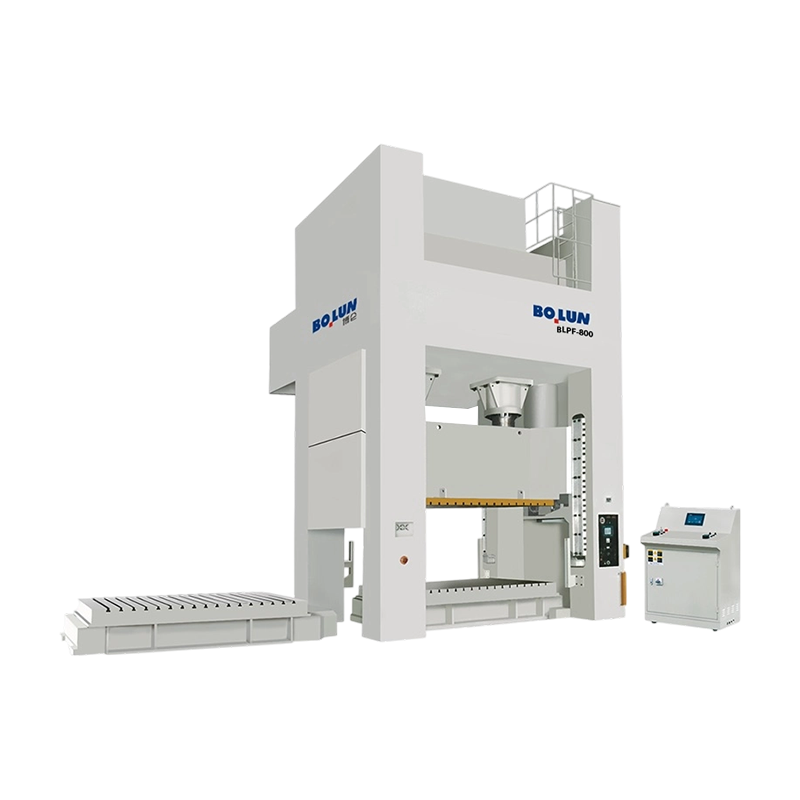
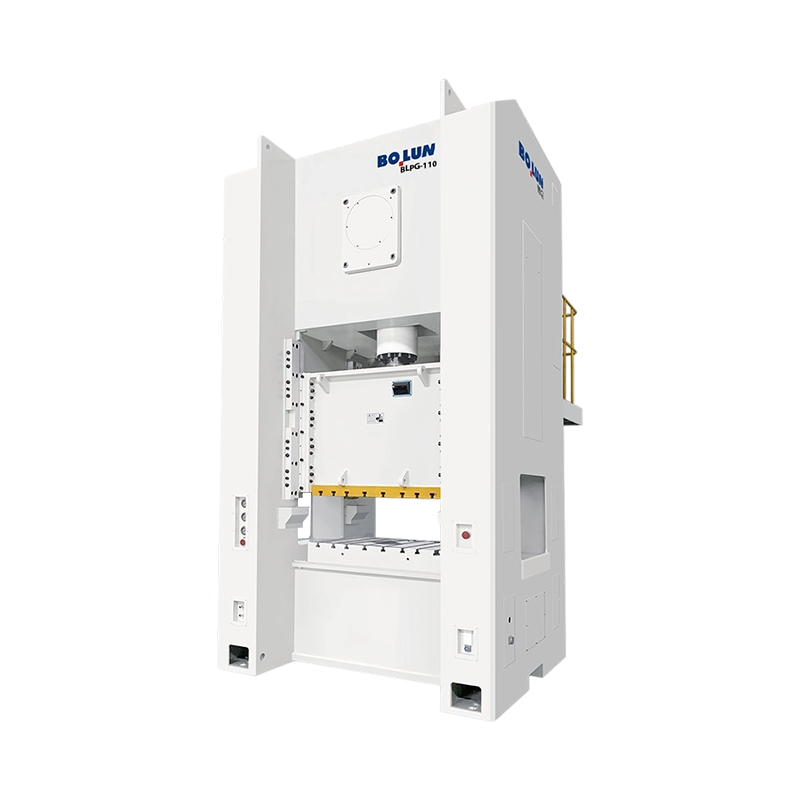
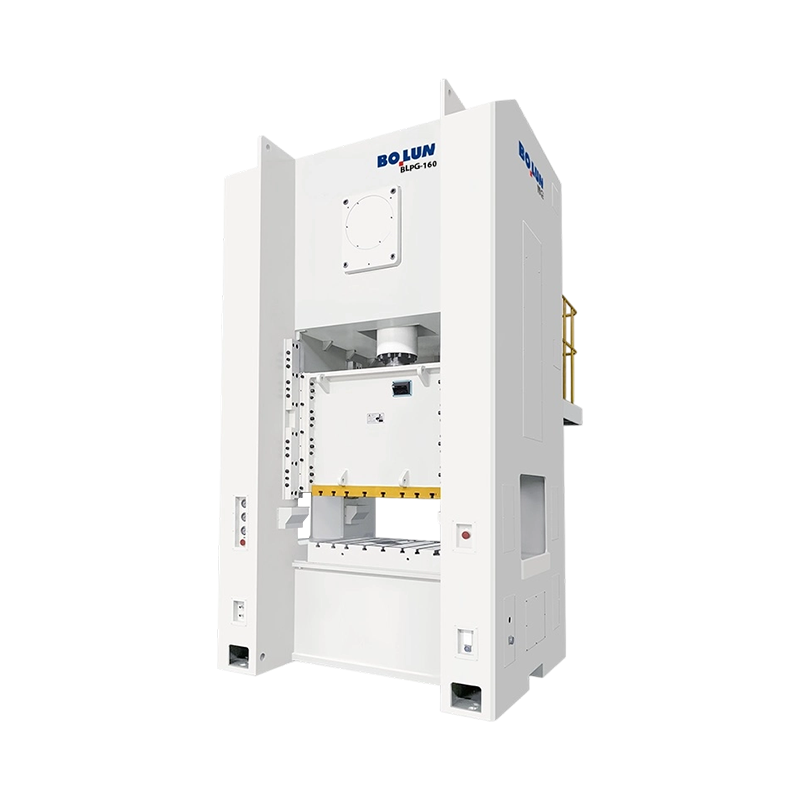
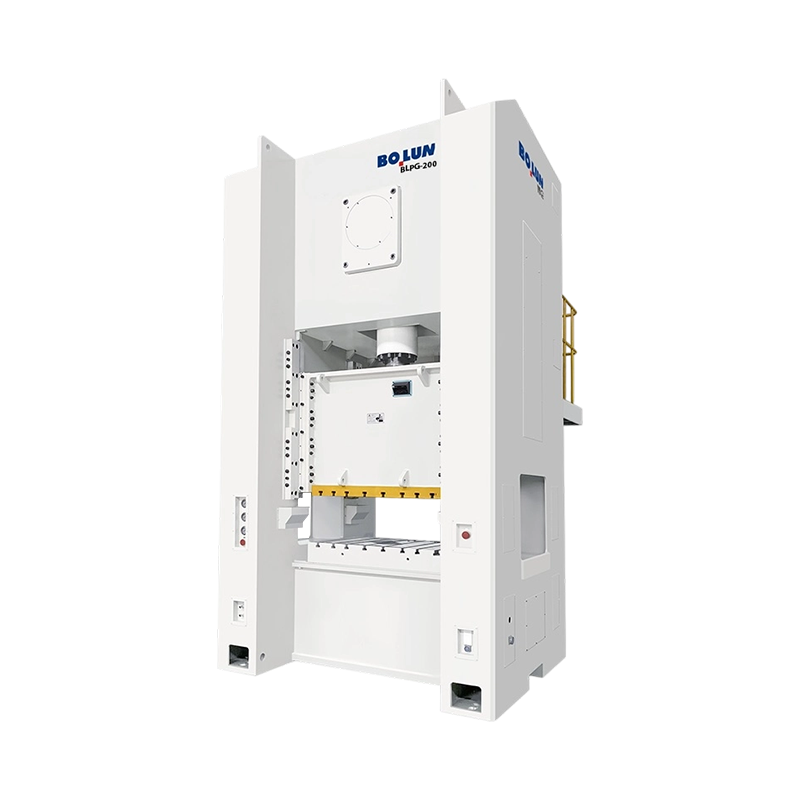
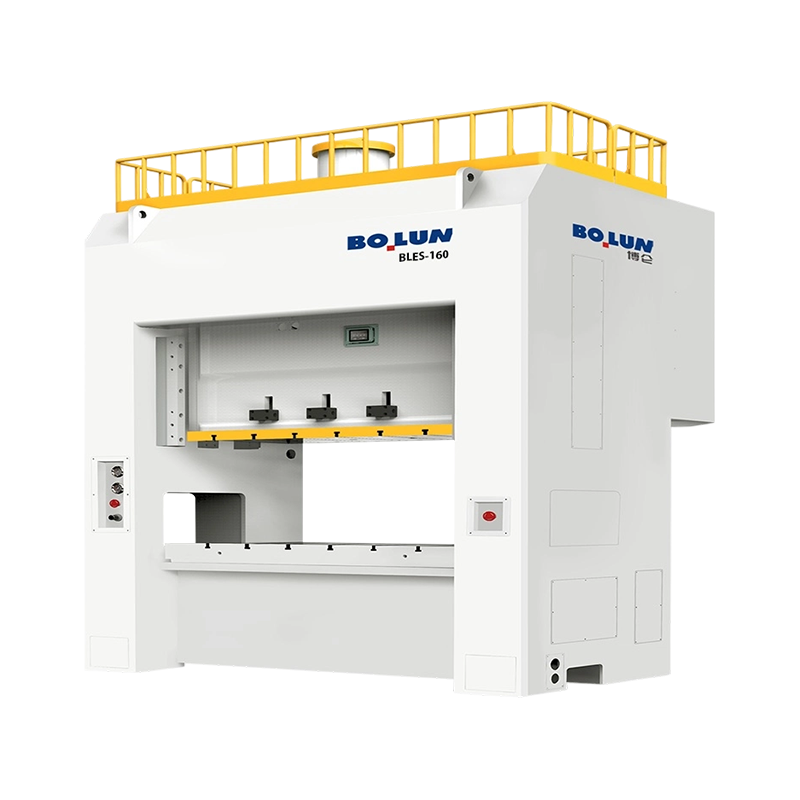
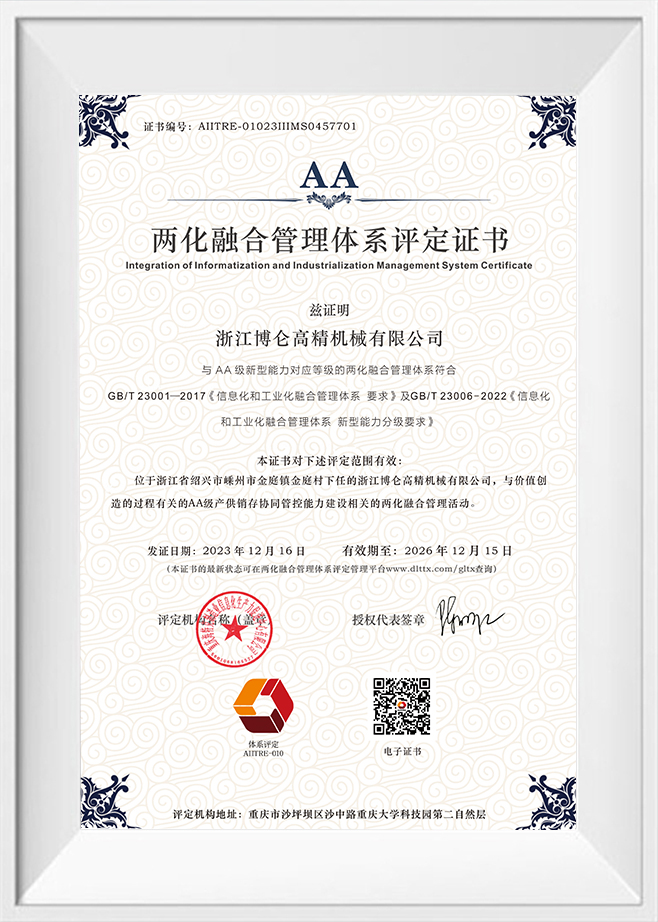
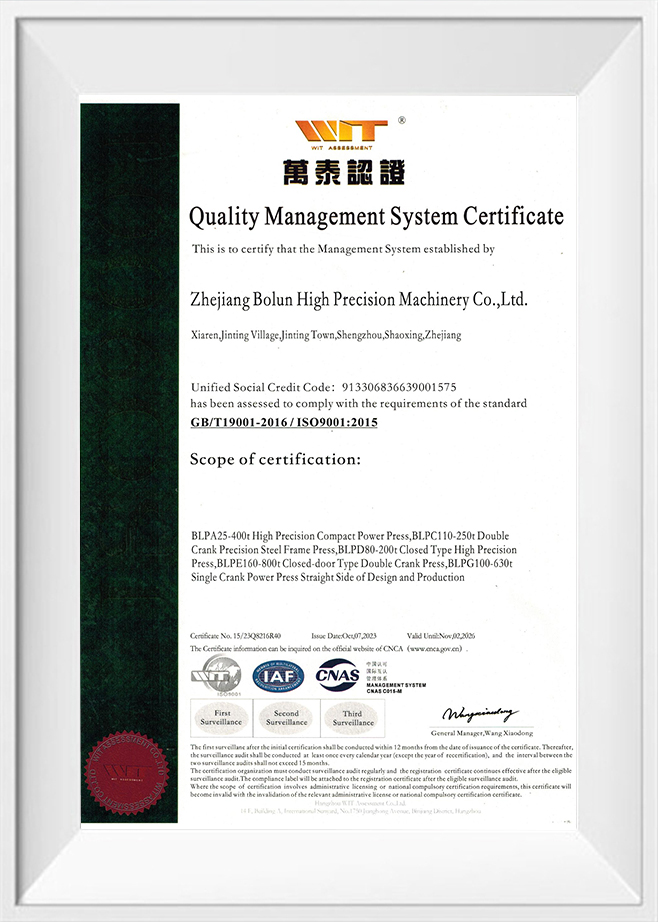
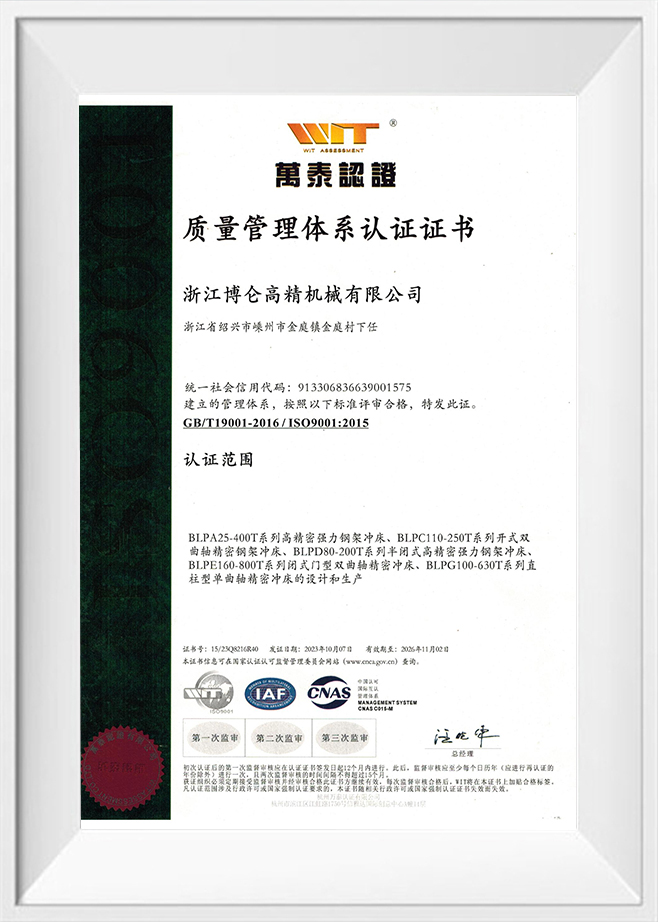
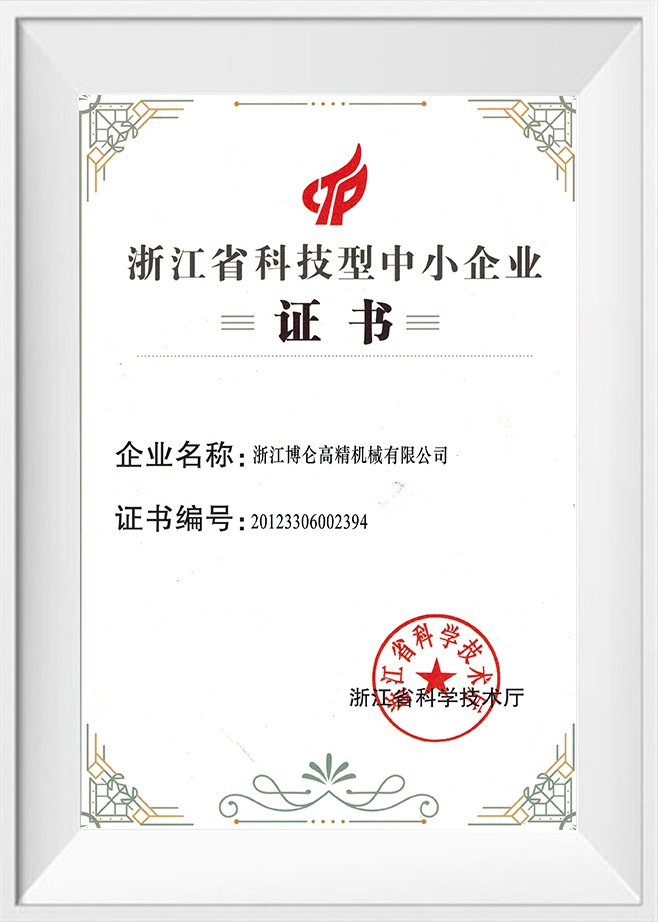
As China Closed Type Power Press Machine Factory and Closed Type Power Press Machine Manufacturers, Zhejiang Bolun High-Precision Machinery Co., Ltd. is located in Zhejiang, the heart of China’s precision manufacturing. With two decades of deep roots in the machinery manufacturing industry, the company has leveraged profound industry accumulation and technical breakthroughs to evolve into a modern, leading enterprise in high-precision forming equipment. We integrate R&D, design, production, sales, and service. From our early days of persevering through challenges to our current leadership in the fields of forging and casting machinery, Bolun Machinery has established a professional, mature, and efficient production management system. We are dedicated to providing global customers with superior industrial machine tool solutions.
 More About Us
BOLUN
More About Us
BOLUN

0+
years
Industry Experience

0+
Units Produced (Previous Year)

0+
Number of Employees

0+
$
Million Annual Output Value

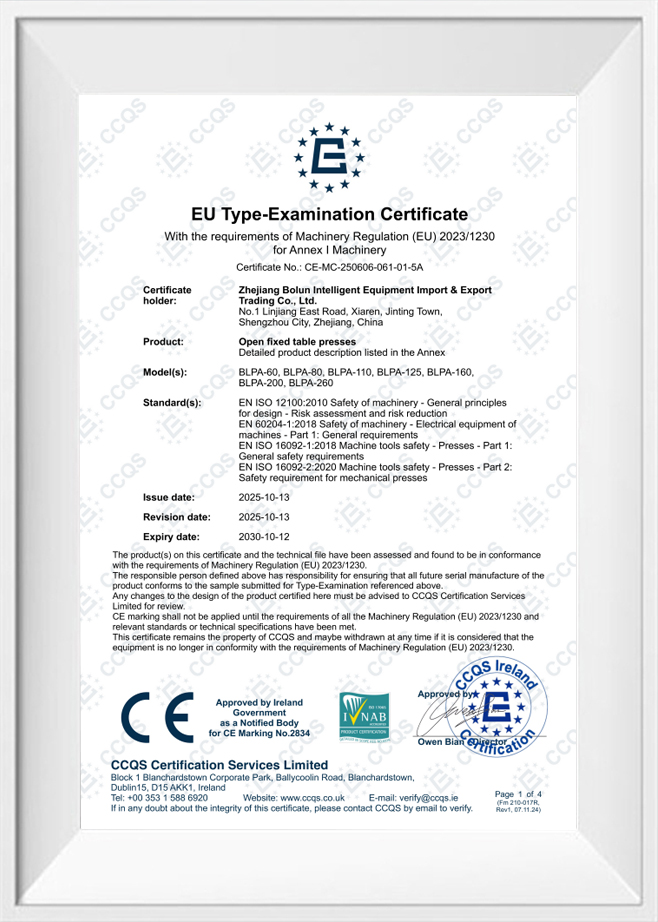
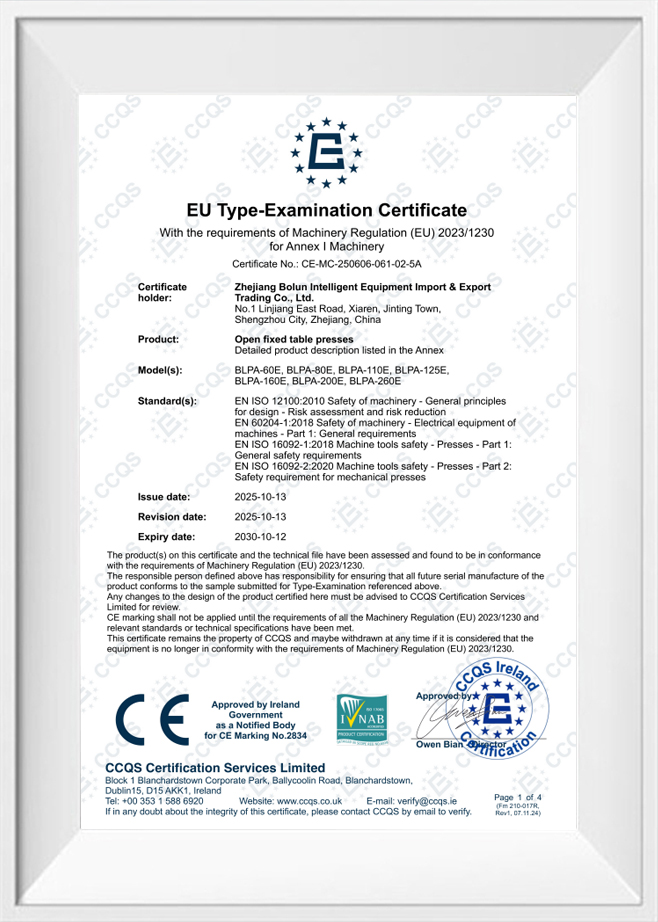
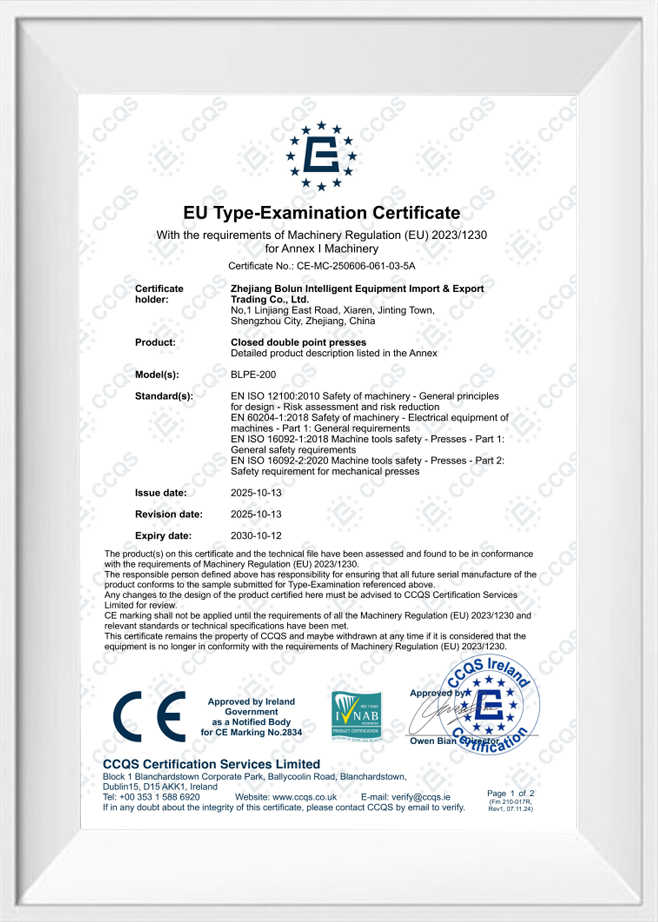
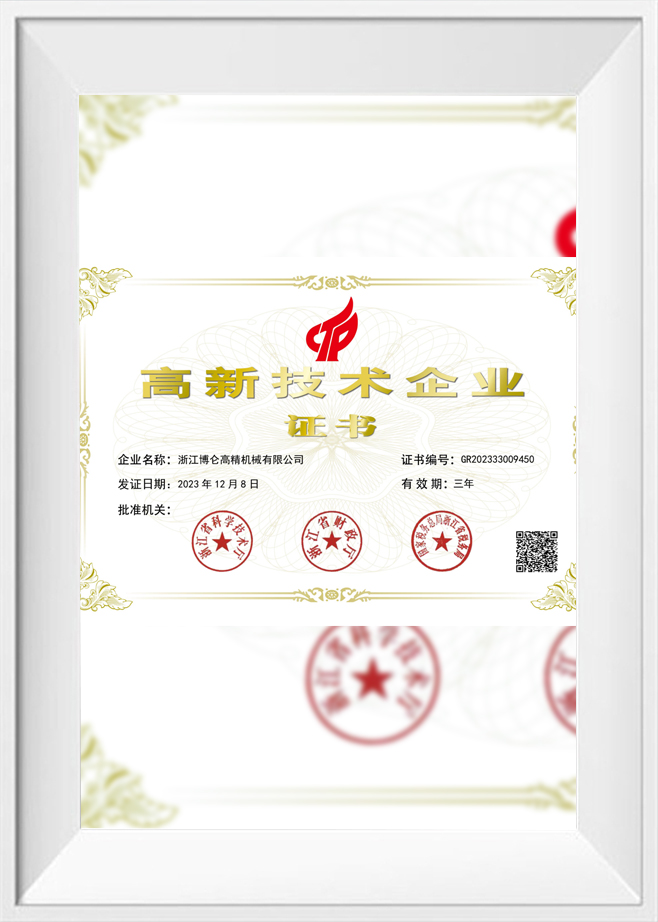
Put a 160-ton open-frame press and a 160-ton closed-frame press side by side and the difference is visible from thirty feet away. One leaves the die area open on three sides so an operator can slide a wide blank in by hand; the other wraps...
Start With the Purchase Decision, Not the Definitions A procurement engineer comparing a 200-ton hydraulic press quote with a 200-ton mechanical power press quote often finds two different machines, two different cost structures, and two d...
A tooling engineer quotes a new bracket program and specifies a 160-ton press. The die is built, the machine is installed, and on the first production run the slide stalls six millimetres above bottom dead centre. Nothing is broken. The to...
A production manager walks into an engineering meeting with a stack of drawings for a high-volume fastener, a bearing race, and a battery shell. The common question is: “Can we make these faster, with less scrap, and with better fatigue li...
When a closed type power press machine operates at its full capacity, the immense forces exerted during the blanking or drawing cycle generate equal and opposite reaction forces within the press frame. These forces attempt to push the upper slide and the lower bed apart. Under these conditions, the steel plates that make up the structure undergo elastic deformation. If the frame is not designed to distribute these loads evenly, this deformation can lead to angular or vertical deflection, which directly compromises the alignment of the punching tools. Even minor structural deflections can alter the clearance between the punch and the die, leading to rapid tooling wear, component burrs, and a decline in part quality.
The rate of deflection is heavily influenced by the distribution of the forming loads and the structural design of the crown, uprights, and bed. In off-center loading scenarios, where the force is concentrated on one side of the slide, the bending moments increase, putting uneven strain on the guide systems and the drive train. Understanding how these forces propagate through the machine frame is the first step in implementing structural remedies that ensure long-term geometric accuracy during high-volume production cycles.
Open-frame, or gap-frame, presses feature an accessible throat area but are highly susceptible to angular deflection, often called the opening phenomenon, because they lack vertical support columns at the front. A closed type power press machine solves this issue by utilizing a fully enclosed structure with four rigid vertical columns located at each corner of the bed. This design creates a continuous closed loop for the load path, ensuring that the reaction forces are kept strictly within a vertical plane. By eliminating the angular bending moments characteristic of open designs, the closed frame configuration provides a highly stable platform for running demanding, multi-stage progressive dies.
The stability offered by the closed-frame geometry is particularly valuable when processing heavy-gauge metals or high-strength materials. Since the frame deflection is restricted to purely vertical elongation, the parallel alignment between the slide and the bed remains intact throughout the entire stroke. This parallel relationship prevents the slide from tilting, which is a major cause of asymmetrical tooling wear and part inconsistency in standard manufacturing environments. To deliver this level of stability, Zhejiang Bolun High-Precision Machinery Co., Ltd. focuses on manufacturing high-stiffness closed frames designed to handle continuous peak-force operations without structural degradation.
To help engineering teams select the appropriate machine frame for their stamping requirements, the data below outlines the deflection limits and structural characteristics of various press configurations under maximum operational load.
| Frame Configuration Type | Load Distribution Profile | Typical Deflection Rate (mm/m) | Impact on Tooling Lifespan | Primary Application Suitability |
|---|---|---|---|---|
| Standard C-Frame (Open Type) | Asymmetric, angular throat opening | 0.12 to 0.18 | Accelerated wear on die edges | Low-to-medium tonnage, simple parts |
| Reinforced Box C-Frame | Slight angular deflection | 0.08 to 0.12 | Moderate wear protection | Medium tonnage, general stamping |
| Monoblock Closed Frame | Pure vertical elongation | 0.04 to 0.06 | Prolonged, uniform tool life | High tonnage, progressive dies |
| Tie-Rod Closed Frame (Pre-Stressed) | Highly restricted vertical stretch | 0.02 to 0.04 | Maximum protection against wear | Heavy-duty forming, high-speed lines |
To further minimize elastic deformation in large-capacity machinery, a closed type power press machine often utilizes a three-piece frame structure held together by heavy-duty tie rods. These tie rods, which run vertically through the crown, uprights, and bed, are pre-stressed during the assembly phase using hydraulic tensioning systems or thermal expansion methods. By pre-compressing the frame components to a force that exceeds the nominal tonnage of the press, the structural joints are prevented from separating or shifting when the actual forming load is applied. This pre-stressed design effectively increases the overall stiffness of the press, restricting the elastic stretch of the vertical columns to minimal levels.
This compression technique ensures that the load-bearing components behave as a single, solid monolithic block during the stamping cycle. This structural stability is critical for preventing the micro-movements that can gradually misalign the internal drive gears and crankshaft bearings. By carefully calculating the tension limits of each tie rod, engineers can customize the structural response of the press to match specific high-tonnage requirements, providing a dependable and repeatable forming platform for industrial operations.
While frame stiffness prevents the main structure from flexing, the slide guiding system acts as the direct mechanical interface that maintains the vertical accuracy of the tooling. A closed type power press machine is equipped with extended, multi-point guiding gibs that restrict any lateral or rotational movement of the slide. These gibs are machined to exceptionally close tolerances and adjusted with minimal clearance to ensure the slide travels along a true vertical path. By utilizing eight-point or twelve-point full-length guide rails, the press can absorb substantial off-center forces without allowing the slide to tilt or shift horizontally.
The maintenance of slide parallelism is further supported by automatic lubrication systems that deliver a continuous film of oil to the guide surfaces. This constant lubrication reduces friction-induced heat, which could otherwise cause localized thermal expansion and alter the gib clearances. Bolun Machinery incorporates these advanced guiding configurations and lubrication channels into their machine designs, enabling manufacturers to run complex, asymmetrical dies at high speeds while maintaining consistent part tolerances and preventing premature tool wear.
The durability and accuracy of a press frame over years of operation depend heavily on the material selection and the thermal treatments applied during the manufacturing stage. The frame weldments of a closed type power press machine are constructed from high-tensile steel plates that offer high structural integrity and fatigue resistance. After the welding process is complete, the entire frame structure must undergo a rigorous stress-relieving process, typically involving thermal annealing or vibratory stress relief. This treatment eliminates the residual internal stresses created during cutting and welding, which would otherwise cause the frame to slowly distort over time and compromise the machine's accuracy.
Without proper stress relief, a machine frame may experience gradual dimensional shifting as it is subjected to millions of load cycles during daily production. This shifting can cause the slide and bed to drift out of parallel, requiring frequent recalibrations and maintenance. By ensuring that all frame components are completely stabilized before final machining, the structural geometry of the press remains consistent over a long service life, allowing global manufacturers to achieve predictable production quality and reliable machine performance.
Q: How do the pre-stressed tie rods on a closed type power press machine prevent structural elongation under maximum stamping loads?
A: The vertical columns of our press frames are held together by heavy-duty tie rods that are hydraulically pre-tensioned to a force exceeding the nominal capacity of the machine. This pre-compression design, utilized by Zhejiang Bolun High-Precision Machinery Co., Ltd., forces the crown, uprights, and bed to act as a single monolithic block, effectively eliminating structural separation and minimizing vertical elastic stretch during peak pressure cycles.
Q: What guiding design prevents slide tilting when running asymmetrical, off-center progressive dies on your closed frame presses?
A: To counteract lateral forces from off-center loads, the closed type power press machine is engineered with extended, full-length eight-point gib guides. These precision-machined guide rails hold the slide in a rigid vertical path, keeping clearances extremely tight and ensuring the slide remains perfectly parallel to the bolster throughout the stroke.
Q: How does Bolun Machinery ensure that the heavy-gauge steel welded frames do not warp or lose alignment over years of intense industrial use?
A: After the welding process is completed, the entire steel structure of the press undergoes a rigorous thermal stress-annealing process in a controlled environment. This treatment releases all internal structural stresses created during fabrication, preventing the frame from slowly shifting or distorting over millions of operating cycles and preserving long-term geometric accuracy.
Q: Can the closed type power press machine be customized to integrate automated quick die change systems (QDCS) for high-frequency production shifts?
A: Yes, our comprehensive design and R&D capabilities allow us to seamlessly integrate specialized hydraulic die clamps, bolster rollers, and electronic guide systems directly into the press structure. This custom configuration minimizes setup times and guarantees secure, repeatable alignment for a wide variety of customer tooling shapes.
Q: What cooling and lubrication technologies are used to maintain continuous operation without thermal expansion altering the gib clearances?
A: The press features an automatic, centralized oil lubrication system that continuously circulates oil across all sliding surfaces and bearings. By maintaining a stable, low-friction oil film, the system prevents heat buildup at the guides, keeping the thermal expansion of the mechanical parts to a minimum and stabilizing the precise clearances required for high-accuracy stamping.
Contact Us

+86-575-83362228

+86-13735238388

+86-575-83362999

+86-15158259588

Hangzhou Office Add: No. 332 Wangjiang East Road, Shangcheng District

No.1 Linjiang Road East, Xiaren, Jinting Town, Shengzhou City, Zhejiang Province, China
Ready to Begin?
Get in Touch

Now!

ZHEJIANG BOLUN
 English
 中文简体
中文简体