
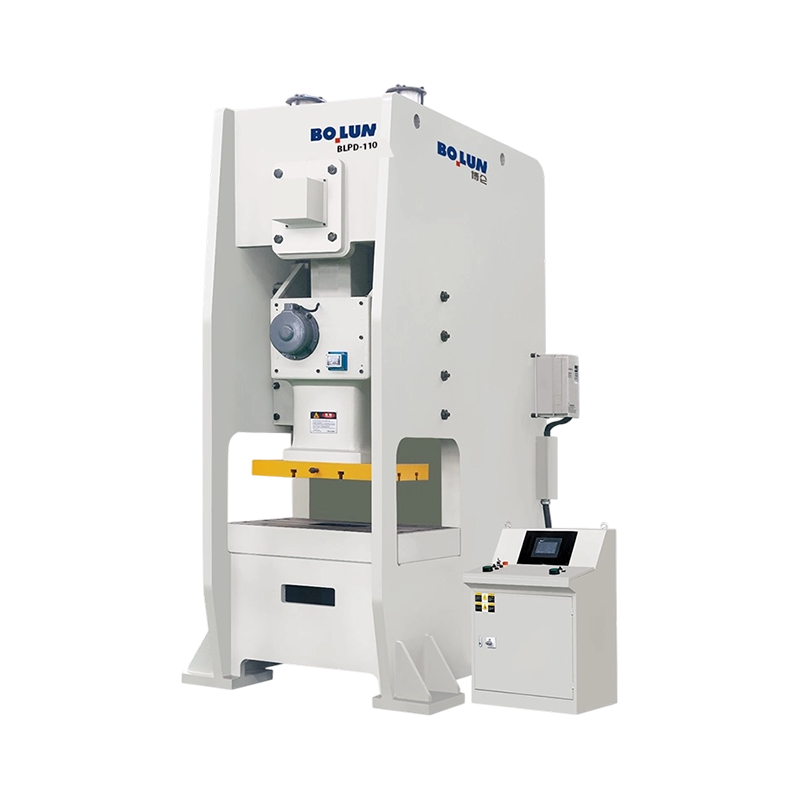


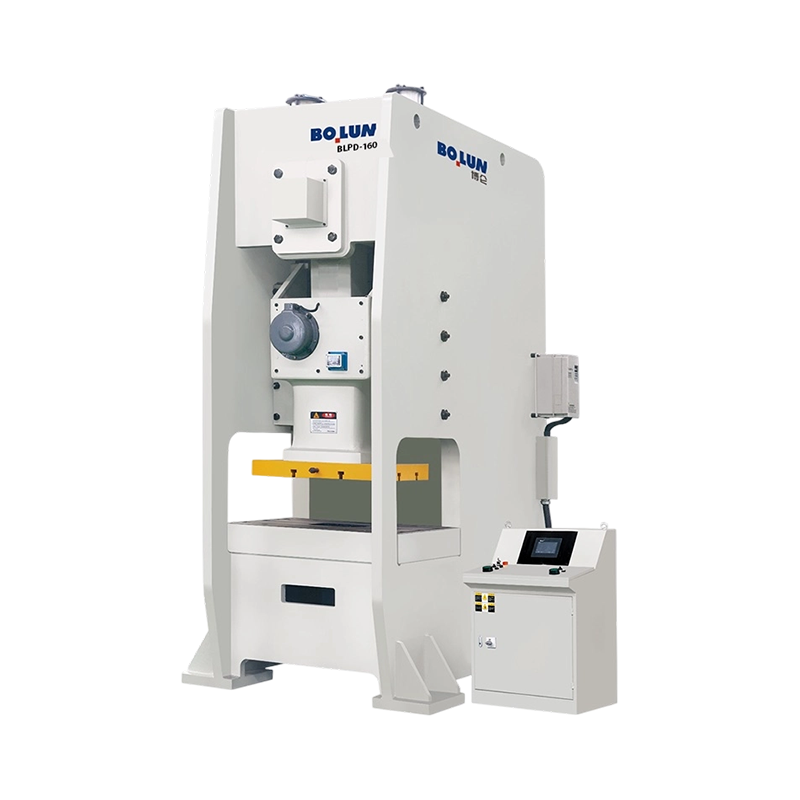
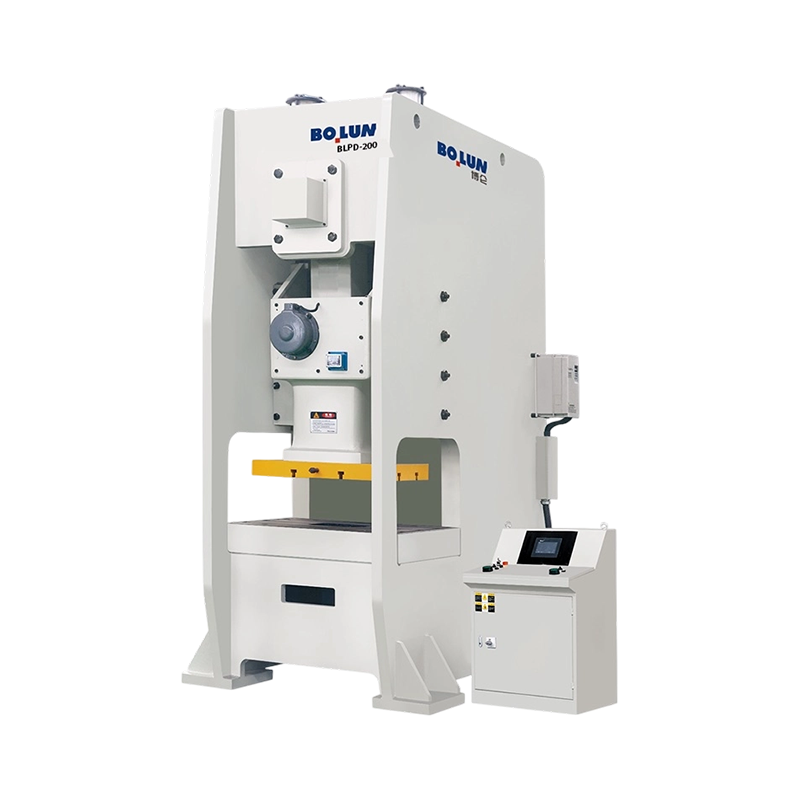
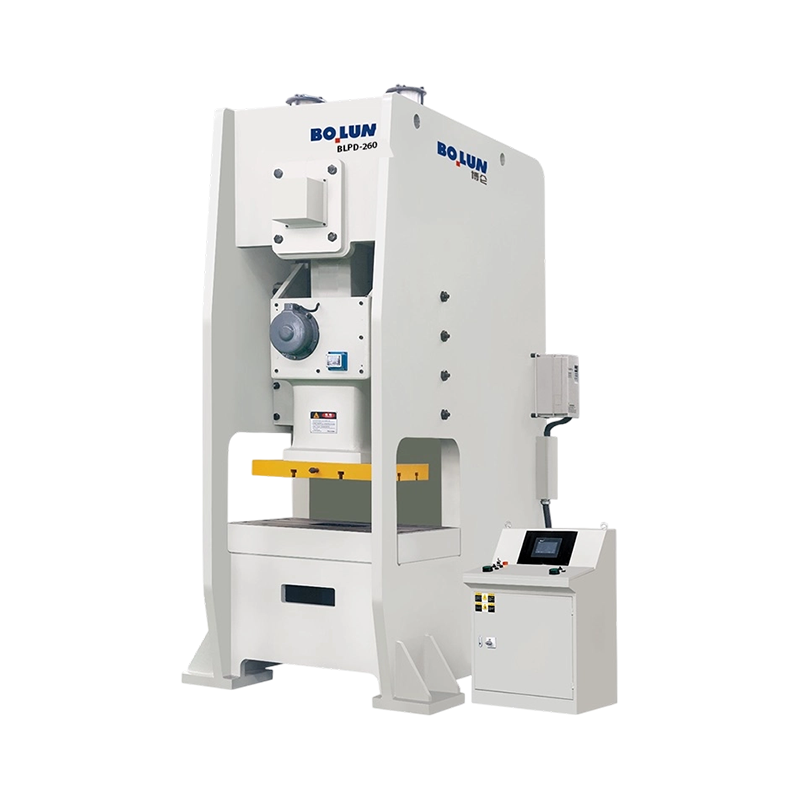
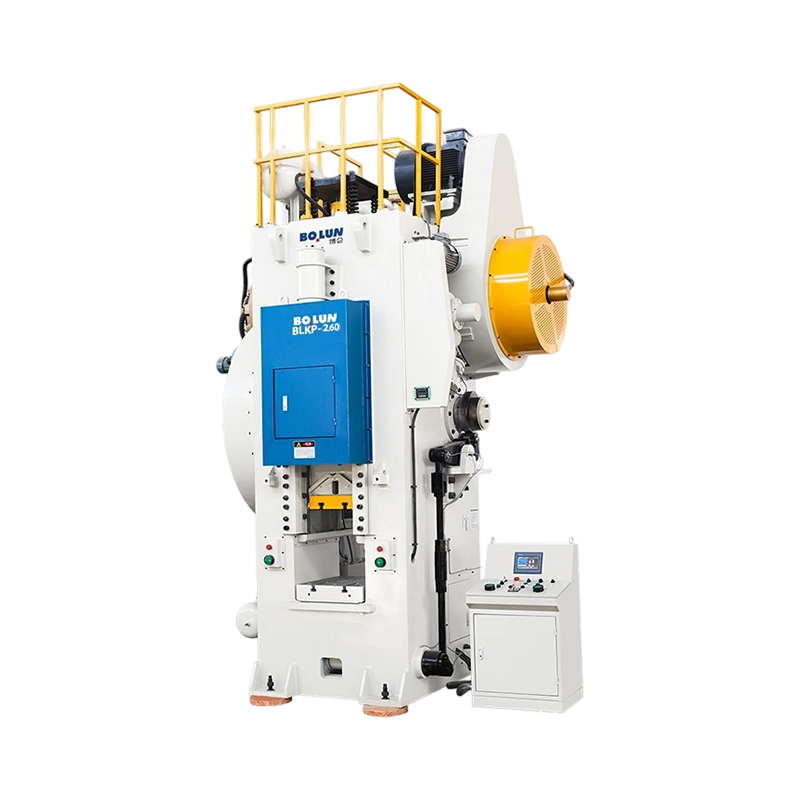
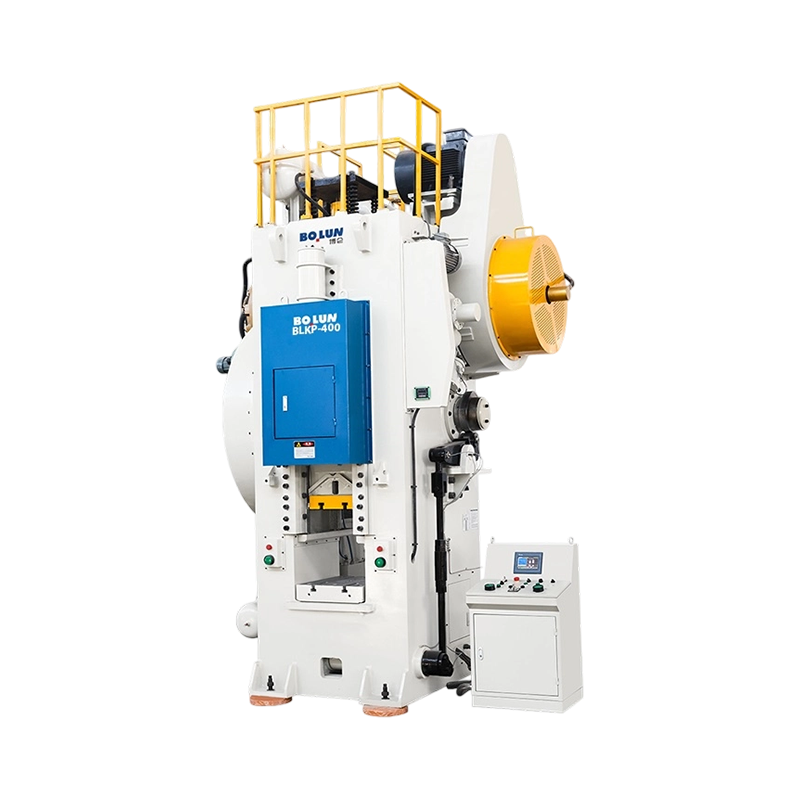
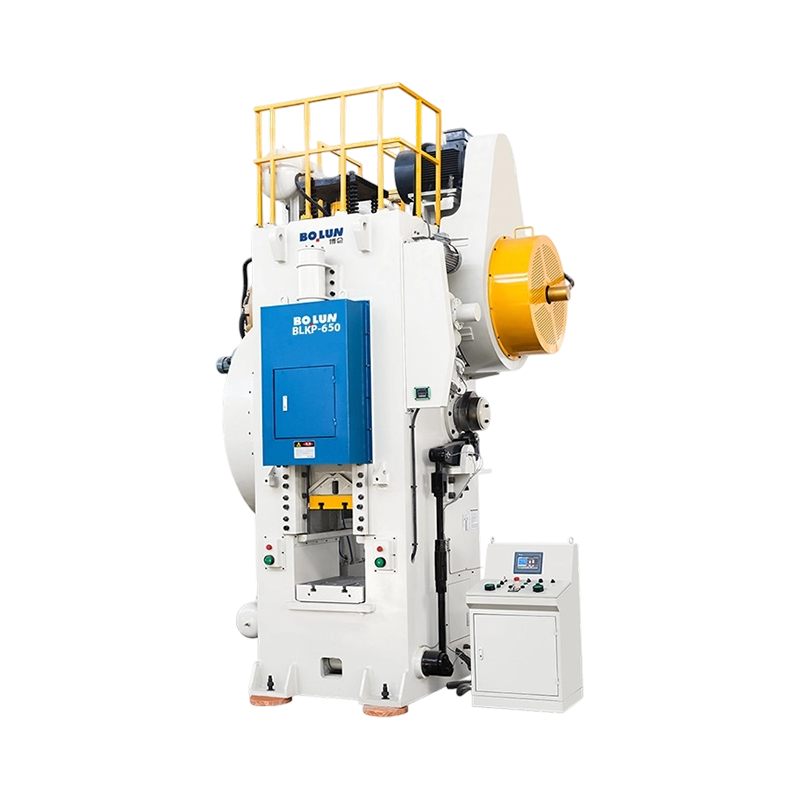
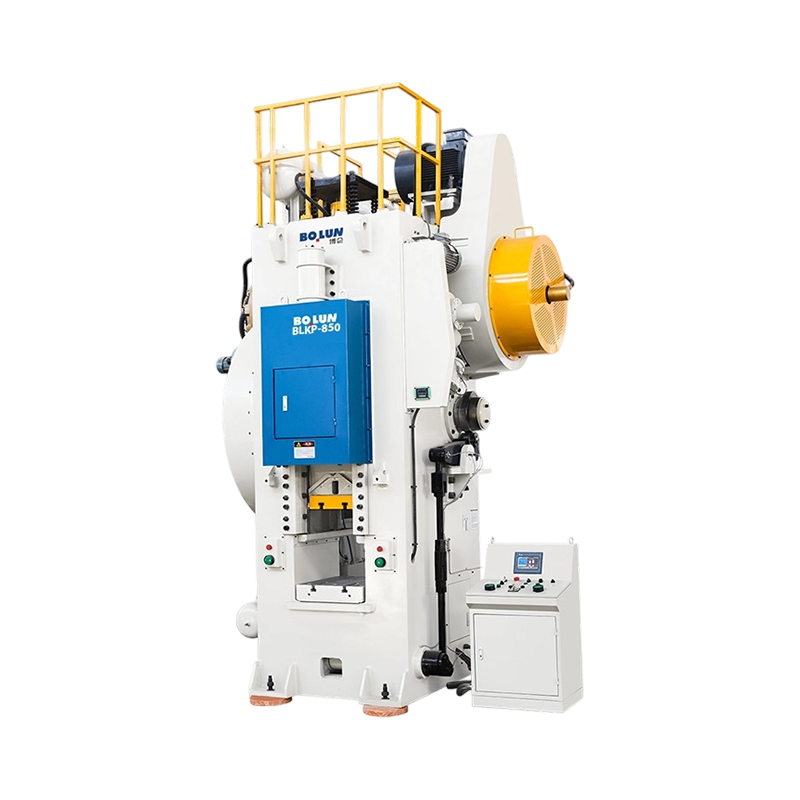
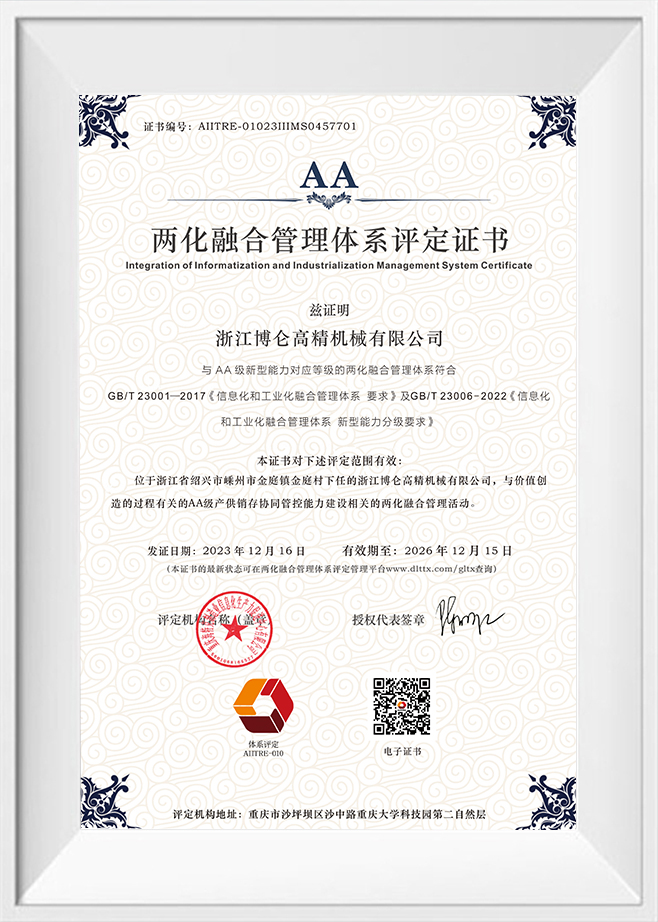
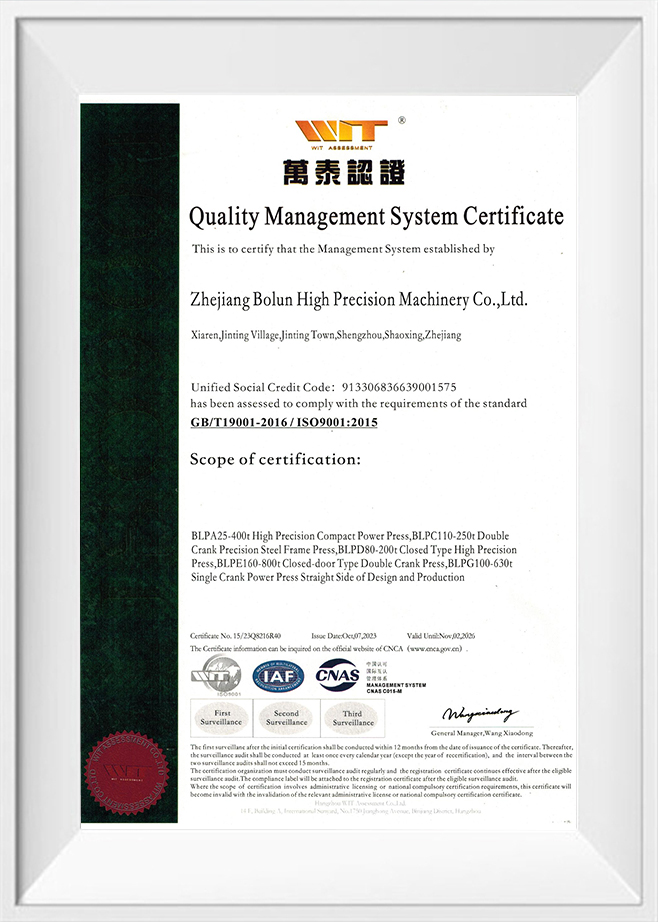
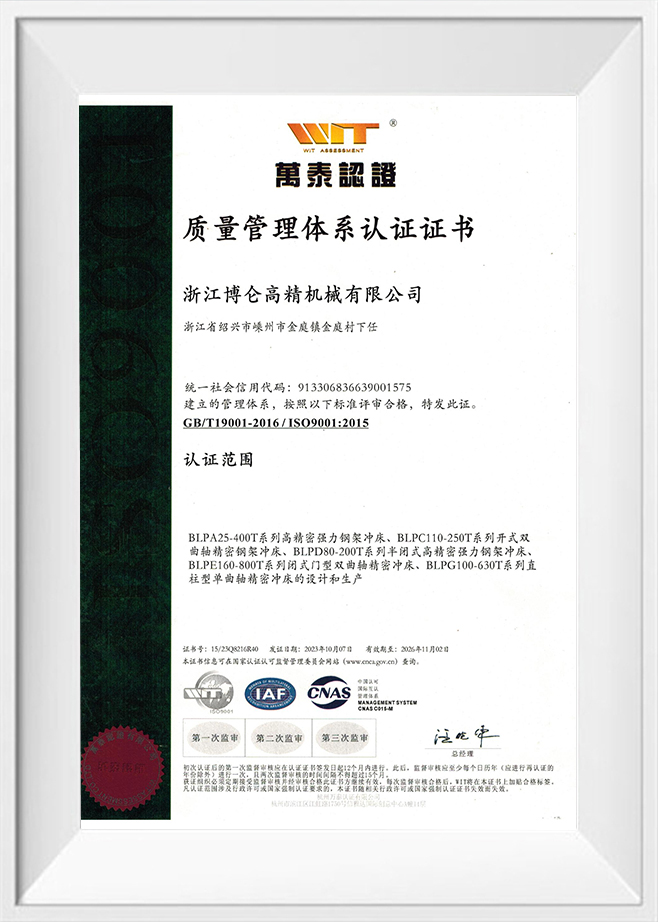
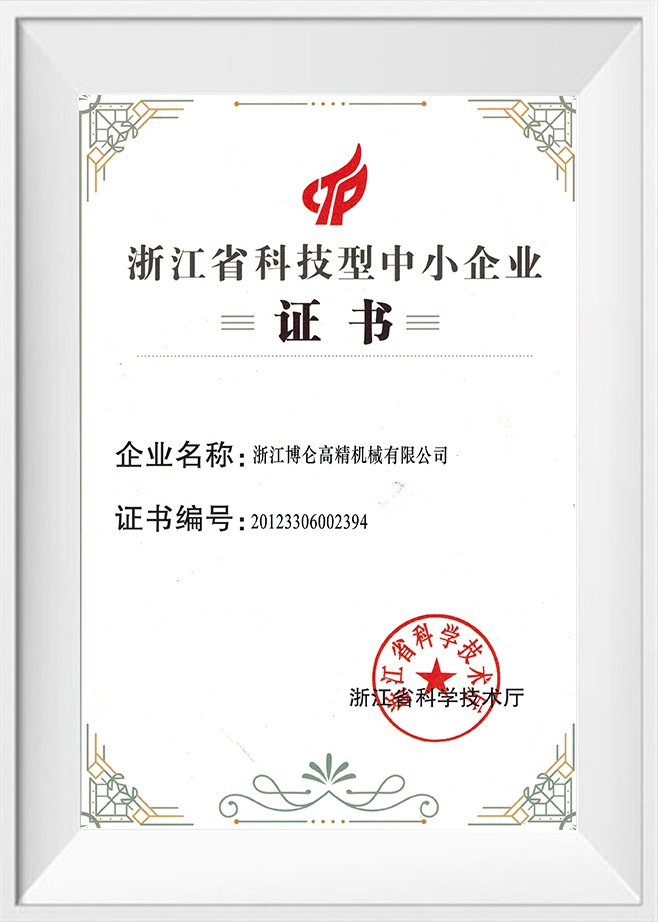
As China Metal Stamping Press Factory and Precision Stamping Press Manufacturers, Zhejiang Bolun High-Precision Machinery Co., Ltd. is located in Zhejiang, the heart of China’s precision manufacturing. With two decades of deep roots in the machinery manufacturing industry, the company has leveraged profound industry accumulation and technical breakthroughs to evolve into a modern, leading enterprise in high-precision forming equipment. We integrate R&D, design, production, sales, and service. From our early days of persevering through challenges to our current leadership in the fields of forging and casting machinery, Bolun Machinery has established a professional, mature, and efficient production management system. We are dedicated to providing global customers with superior industrial machine tool solutions.
 More About Us
BOLUN
More About Us
BOLUN

0+
years
Industry Experience

0+
Units Produced (Previous Year)

0+
Number of Employees

0+
$
Million Annual Output Value

Put a 160-ton open-frame press and a 160-ton closed-frame press side by side and the difference is visible from thirty feet away. One leaves the die area open on three sides so an operator can slide a wide blank in by hand; the other wraps...
Start With the Purchase Decision, Not the Definitions A procurement engineer comparing a 200-ton hydraulic press quote with a 200-ton mechanical power press quote often finds two different machines, two different cost structures, and two d...
A tooling engineer quotes a new bracket program and specifies a 160-ton press. The die is built, the machine is installed, and on the first production run the slide stalls six millimetres above bottom dead centre. Nothing is broken. The to...
A production manager walks into an engineering meeting with a stack of drawings for a high-volume fastener, a bearing race, and a battery shell. The common question is: “Can we make these faster, with less scrap, and with better fatigue li...
In high-frequency stamping manufacturing, a precision stamping press often operates at speeds exceeding hundreds of strokes per minute. Under these intense working conditions, the physical contact areas within the main drive shaft, connecting linkages, and slide guide rails are subjected to continuous micro-frictional forces. This friction converts kinetic energy directly into thermal energy, causing a rapid temperature rise in localized machine components. Without appropriate mitigation, this heat accumulation triggers thermal expansion, which alters the mechanical clearances of the sliding interfaces. As clearances shrink, friction increases further, accelerating surface wear and causing dimensional deviation in the finished parts. Balancing these tribological behaviors is critical to ensuring the structural alignment and long-term durability of the press during extended production runs.
To control wear rates and manage heat, engineers analyze the lubrication regimes of the load-bearing components. When the press operates at high velocities, maintaining a continuous, pressurized oil film between the journal bearings and the crankshaft is vital. This film prevents direct metal-to-metal contact, shifting the wear profile from abrasive friction to fluid viscous shearing. By understanding the transition states of these boundary lubricants, manufacturers can optimize physical slide pathways and oil-feed rates, ensuring the machinery operates within safe operational temperature envelopes without sacrificing stamping accuracy.
A primary method for preventing heat buildup is the implementation of a continuous, temperature-regulated oil lubrication loop. Rather than using static oil baths, a modern precision stamping press incorporates a forced-lubrication system that pumps filtered oil directly to the high-load friction points. This system functions as both a lubricant provider and a heat-evacuation medium. The oil absorbs thermal energy from the internal gears, main eccentric bushings, and guiding surfaces before draining into a central reservoir. From there, it is forced through an external oil cooling heat exchanger, which lowers the fluid temperature to a specific setpoint before returning it to the press structure.
This temperature stabilization process prevents localized hot zones from expanding the frame and altering the critical shut height. Zhejiang Bolun High-Precision Machinery Co., Ltd. builds high-capacity thermal control units into their press systems to maintain uniform machine temperatures throughout 24-hour manufacturing cycles. By keeping the structural temperature gradient stable, the press avoids physical drift in the slide guiding paths, preserving the micron-level clearances necessary for stamping delicate connectors and high-tolerance motor laminations.
The choice of bearing materials and design configurations directly determines the friction coefficient and thermal generation rate within the main drive line. The table below outlines the performance characteristics of various bearing systems used in high-speed applications.
| Bearing Configuration Type | Maximum Practical Speed (RPM) | Friction Coefficient Range | Heat Dissipation Rate (kW) | Typical Operational Lifespan (Hours) |
|---|---|---|---|---|
| Standard Bronze Bushing | 300 to 500 | 0.05 to 0.08 | 1.2 to 2.5 | 12,000 to 18,000 |
| Hydrostatic Journal Bearing | 600 to 1200 | 0.001 to 0.005 | 4.5 to 8.0 | Over 35,000 |
| Hybrid Ceramic Ball Bearing | 1000 to 1800 | 0.0015 to 0.003 | 3.2 to 5.5 | 25,000 to 30,000 |
| Hydrodynamic Sleeve Bearing | 500 to 800 | 0.005 to 0.012 | 2.8 to 4.5 | 20,000 to 28,000 |
The data indicates that hydrostatic bearing configurations offer the lowest friction coefficients and highest dissipation rates under continuous loads. By supporting the rotating shaft on a pressurized cushion of oil, these systems eliminate mechanical contact during rotation, keeping wear rates near zero and substantially reducing thermal generation in high-speed, long-term operations.
The mechanical accuracy of the slide's downward stroke is maintained by extended guide rails mounted on the heavy-duty vertical columns of the press frame. When a precision stamping press handles off-center loads, the slide experiences lateral thrust forces that push it against the guide gibs. To prevent localized heating and wear at these contact zones, high-speed presses utilize eight-point or twelve-point needle roller or composite-faced guide systems. These guides distribute the lateral forces over a large surface area, preventing high pressure concentrations that can rupture the lubricant film.
These guiding structures are pre-loaded to minimize internal clearances, keeping slide tilt to a minimum. To manage the friction heat generated along these long slide paths, internal cooling channels can be integrated into the guide rails themselves. This ensures that the heat from the sliding action does not transfer into the main frame columns, which would otherwise cause asymmetric thermal bending and misalign the stamping punch. Bolun Machinery emphasizes these balanced guiding geometries to guarantee that slide-to-bolster parallelism remains within strict tolerances during fast, continuous cycles.
Maintaining micro-level accuracy over millions of high-impact cycles requires a structurally stable press frame that resists internal material shifting. The frame weldments of a high-speed press are fabricated from thick, high-tensile steel plates. After welding, the entire structural frame is subjected to a thermal stress-relieving process, where the assembly is heated in a furnace to release localized internal stresses created during plate cutting and welding. This thermal treatment prevents the metal from slowly warping over years of industrial use, ensuring that the critical clearances between the slide and the bed remain unchanged.
A stable, stress-relieved frame ensures that the guide rails remain parallel and straight, preventing high spot friction that causes localized wear. This material stabilization is vital for preserving the alignment of progressive tooling, as even a minor deviation in frame geometry can cause tool wear and reduce the quality of the stamped parts. By ensuring that all frame structures are structurally relaxed prior to precision machining, the press maintains its geometric alignment under the dynamic stresses of continuous high-speed production.
Q: How does your structural engineering protect a metal stamping press from long-term fatigue under continuous, high-speed impact loads?
A: Zhejiang Bolun High-Precision Machinery Co., Ltd. manufactures heavy-duty box-type frame weldments using high-tensile steel plates. After fabrication, the entire structure undergoes a thorough thermal stress-annealing process to eliminate internal material stresses, preventing physical warping and structural fatigue even under decades of continuous dynamic impacts.
Q: What thermal management systems are integrated to prevent sliding clearance shifts in a high-SPM metal stamping press?
A: Our press designs utilize a centralized, pressurized lubrication system that constantly circulates temperature-regulated oil to all critical bearings and guide rails. By routing the oil through an external active chiller, the system stabilizes the machine's internal temperature gradient, preventing thermal expansion from shifting the slide clearances during continuous runs.
Q: How do your guide rail systems maintain slide-to-bolster parallelism when processing off-center loads?
A: To counteract lateral thrust forces, our metal stamping press models are equipped with full-length, adjustable eight-point guiding gibs. These guides are pre-loaded to minimal clearances and continually lubricated, ensuring the slide travels on a strictly vertical path and protecting progressive dies from uneven tool wear.
Q: What mechanism is used to mitigate the severe reverse shock, or snap-through, during high-tonnage sheet metal blanking?
A: The press features pneumatic counterbalance cylinders that apply continuous upward tension to the slide assembly. This upward force pre-loads the drive train and eliminates backlash within the bearings and gears, absorbing the energy release at breakthrough and protecting both the drive components and the tooling.
Q: How does the integrated hydraulic overload protection protect expensive multi-stage progressive dies from sudden damage?
A: A fast-acting, high-pressure hydraulic overload protection system is built directly inside the slide. If the forming pressure exceeds safety thresholds due to a double-sheet feed or misfeed, a pressure release valve opens in milliseconds to instantly halt slide movement, preventing catastrophic damage to the press frame and the tooling.
Contact Us

+86-575-83362228

+86-13735238388

+86-575-83362999

+86-15158259588

Hangzhou Office Add: No. 332 Wangjiang East Road, Shangcheng District

No.1 Linjiang Road East, Xiaren, Jinting Town, Shengzhou City, Zhejiang Province, China
Ready to Begin?
Get in Touch

Now!

ZHEJIANG BOLUN
 English
 中文简体
中文简体