 English
 中文简体
中文简体
Manufacturing & Metalworking
A direct, practical look at how mechanical presses shape modern production lines — from blanking and drawing to the industries and machine types that depend on them.
The Direct Answer: What Mechanical Presses Are Used For
A mechanical press machine is primarily used to cut, shape, and form metal or other sheet materials through a rapid, flywheel-driven punching action. In modern manufacturing, mechanical power presses handle blanking, piercing, bending, drawing, coining, and embossing operations at high speed and with tight repeatability, making them the backbone of stamping lines in automotive, appliance, electronics, and hardware production. A single mid-sized mechanical press can complete anywhere from 20 to over 1,000 strokes per minute depending on the model, which is why these machines remain the preferred choice whenever a factory needs consistent, high-volume part production at a lower per-unit cost than slower hydraulic alternatives.
Beyond the basic answer, understanding exactly where and how these machines fit into a production line helps buyers and engineers make smarter decisions about tooling, capacity, and long-term maintenance. The sections below break down the core applications, machine types, and selection criteria in detail.
Core Manufacturing Operations Performed by Mechanical Presses
A mechanical press machine converts the rotational energy of a flywheel into a controlled linear stroke, driving a ram downward against a die set. This single mechanical action supports several distinct metalworking processes, each suited to different part geometries and production goals.
Blanking and Piercing
Blanking cuts a flat shape out of sheet stock, while piercing removes material to create holes or slots within a part. These are among the fastest operations mechanical power presses perform, often completed in a fraction of a second per stroke, which is why blanking lines are common in electrical contact and bracket production.
mechanical power presses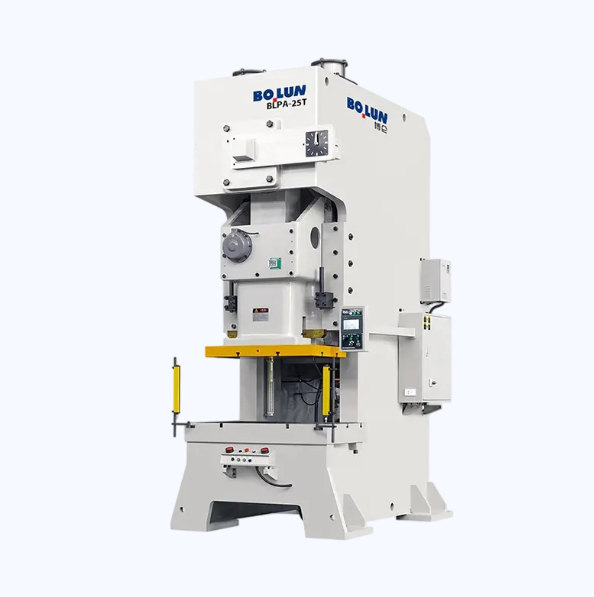
Bending and Forming
Bending reshapes flat stock into angles or curves, and forming pushes material into a three-dimensional profile using matched dies. Mechanical presses excel here because the consistent stroke length ensures every part bends to the same angle, reducing scrap rates on long production runs.
Deep Drawing and Coining
Deep drawing pulls flat blanks into cup-shaped or hollow parts, such as sinks, fuel tanks, or enclosures, while coining applies concentrated pressure to emboss fine surface detail, like logos or serial numbers, into a part with high precision.
Info
The choice between blanking, forming, and drawing dies is usually the single biggest factor in determining overall tonnage requirements for a given part.
Industries That Depend on Mechanical Press Machines
The versatility of mechanical power presses means they appear across a wide range of sectors, each leveraging speed and repeatability differently.
| Industry | Typical Application | Common Press Type |
|---|---|---|
| Automotive | Body panels, brackets, chassis parts | Straight-side press |
| Appliances | Housings, panels, mounting brackets | Gap-frame press |
| Electronics | Connectors, terminals, small stampings | High-speed precision press |
| Hardware and Fasteners | Washers, clips, fittings | OBI press |
Types of Mechanical Power Presses and Their Best Use Cases
Not all mechanical presses are built the same, and choosing the right frame style has a direct impact on production efficiency and part quality.
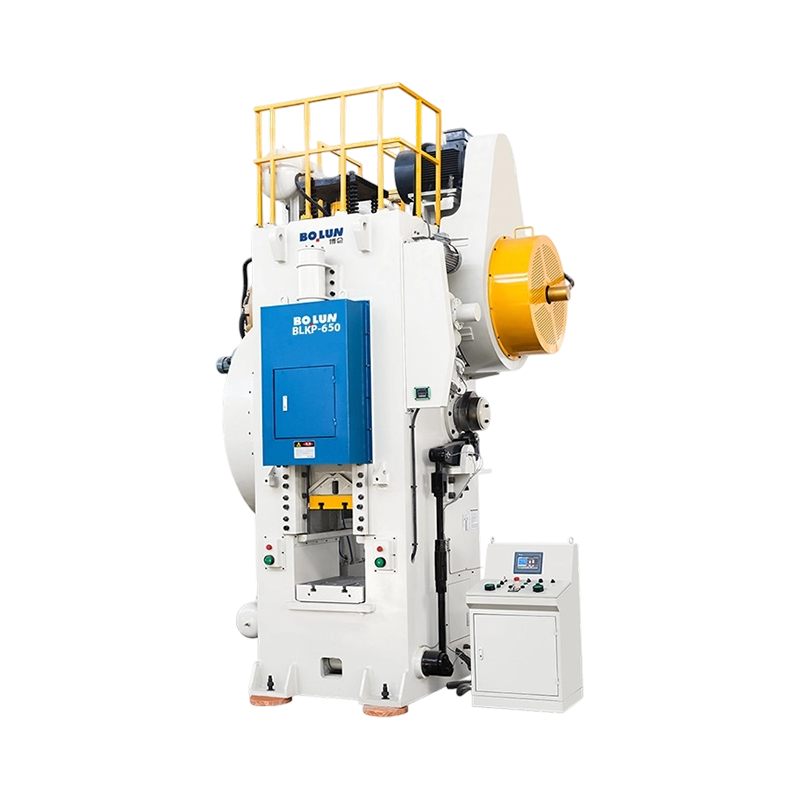
- Open-back inclinable (OBI) presses: compact machines that tilt to let finished parts drop out by gravity, ideal for small to medium stampings.
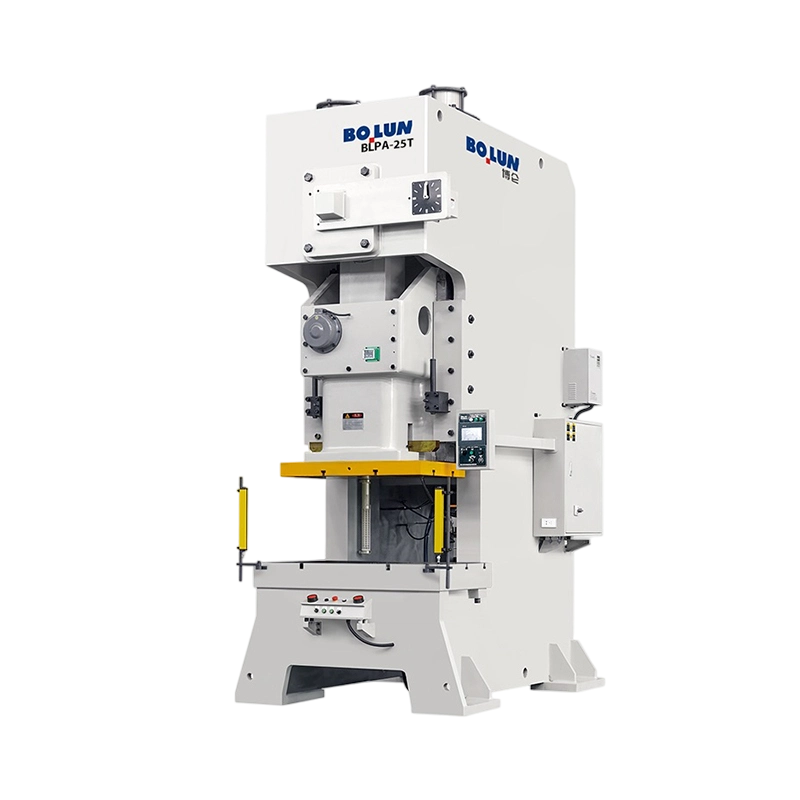
- Gap-frame presses: offer three-sided access to the die area, well suited for progressive die work and secondary operations.
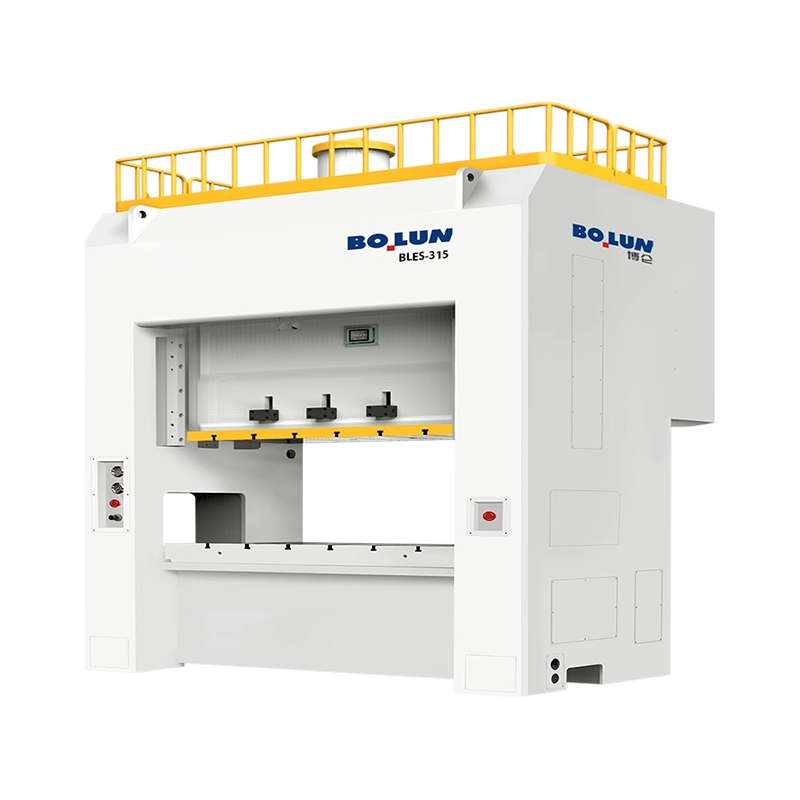
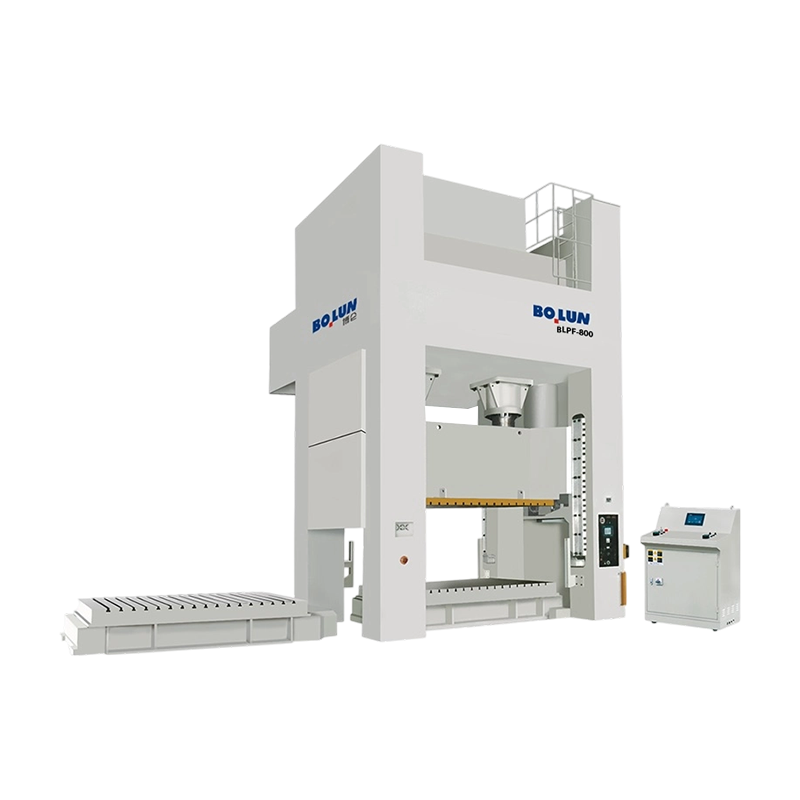
- Straight-side presses: provide the highest rigidity and even force distribution, used for large panels and deep-draw tooling.
- High-speed presses: engineered for extremely fast cycle rates, common in terminal and connector manufacturing.
Matching press type to part geometry is one of the most important early decisions in a stamping project.
Why Manufacturers Choose Mechanical Presses Over Alternatives
Compared with hydraulic presses, mechanical power presses generally offer faster cycle times because the flywheel stores and releases energy mechanically rather than relying on fluid pressure buildup. This makes them the preferred choice for high-volume runs where thousands of identical parts must be produced per shift.
Key advantages typically cited by production engineers include:
- Faster stroke rates, supporting higher throughput on simple to moderately complex parts
- Lower energy consumption per cycle compared to hydraulic systems of similar tonnage
- Consistent stroke length, which improves dimensional repeatability across long production runs
- Lower long-term maintenance costs due to fewer hydraulic seals and fluid systems
Success
Facilities that match press type correctly to part requirements typically see meaningfully lower scrap rates and more predictable cycle times across a full shift.
Selecting the Right Mechanical Press for Your Production Line
Choosing a mechanical press machine involves matching tonnage, bed size, and stroke speed to the specific part being produced. Undersized tonnage risks incomplete forming or premature tooling wear, while oversized tonnage adds unnecessary cost and energy use.
Tonnage and Bed Size
Tonnage requirements are calculated based on material thickness, shear strength, and the perimeter of the cut or formed feature. Bed size must accommodate the die set with sufficient clearance for material feed and part ejection.
Stroke Length and Speed
Deep-draw operations require longer strokes, while blanking and piercing benefit from shorter, faster strokes. Matching stroke characteristics to the operation reduces cycle time without compromising part quality.
Maintenance and Safety Considerations
Regular maintenance of a mechanical press machine focuses on the clutch and brake system, flywheel bearings, and lubrication points, since these components experience the most wear during continuous high-speed operation. Scheduled inspections, typically every 200 to 500 operating hours depending on duty cycle, help prevent unplanned downtime.
Safety systems such as light curtains, two-hand controls, and guarded die areas are standard on modern mechanical power presses, and operators should never bypass these systems even for short production runs, as the ram's stroke speed leaves little margin for error during manual intervention.
Warning
Bypassing guarding or two-hand controls, even briefly, removes the machine's primary protection against operator injury during high-speed cycles.
Danger
Never place hands or tools inside the die area while the press is powered, even during setup — stroke speed leaves no time to react once the cycle begins.