
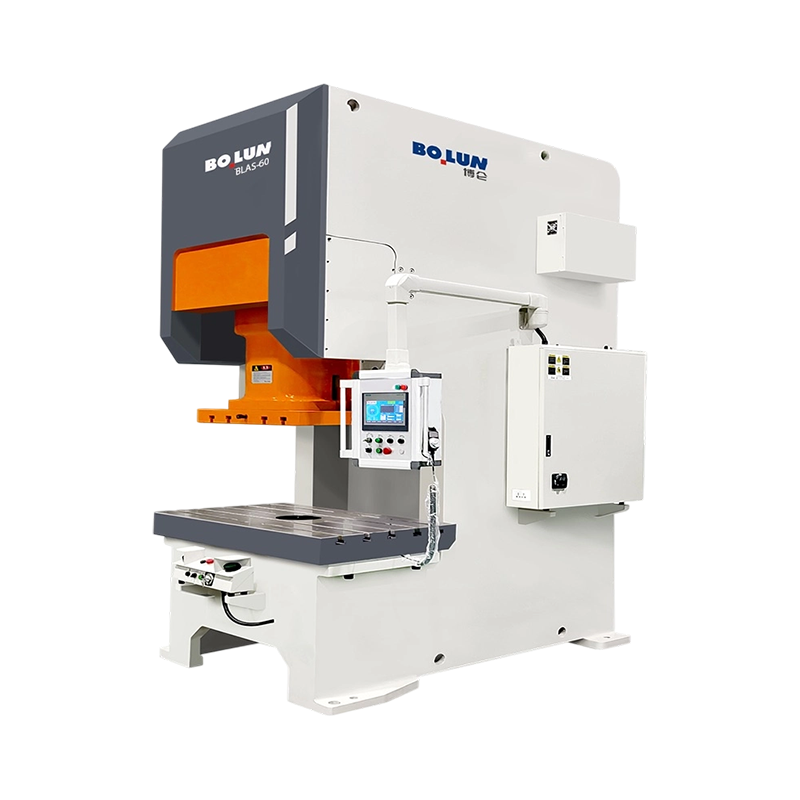


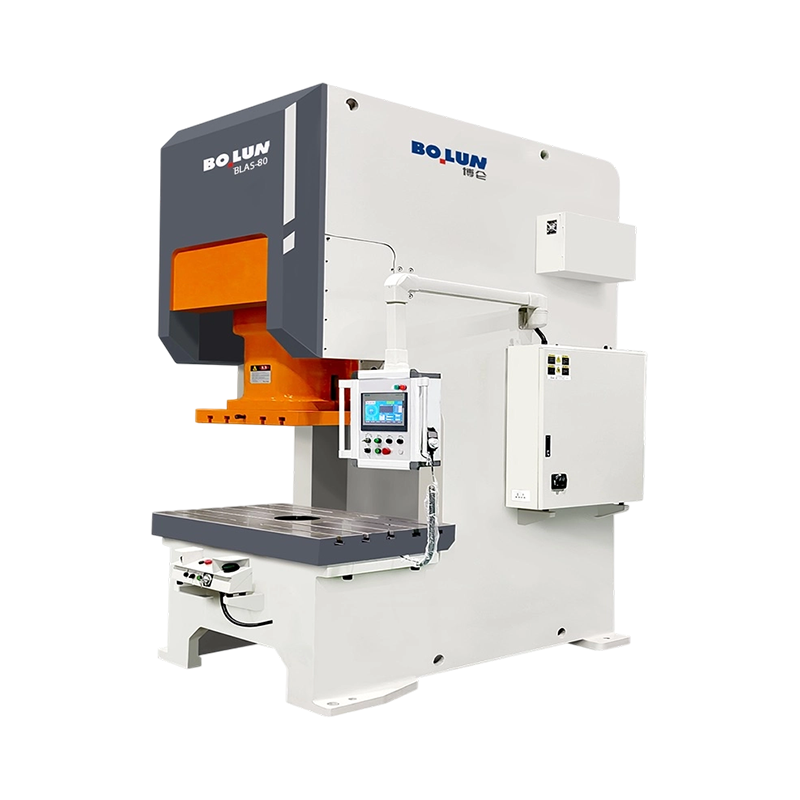
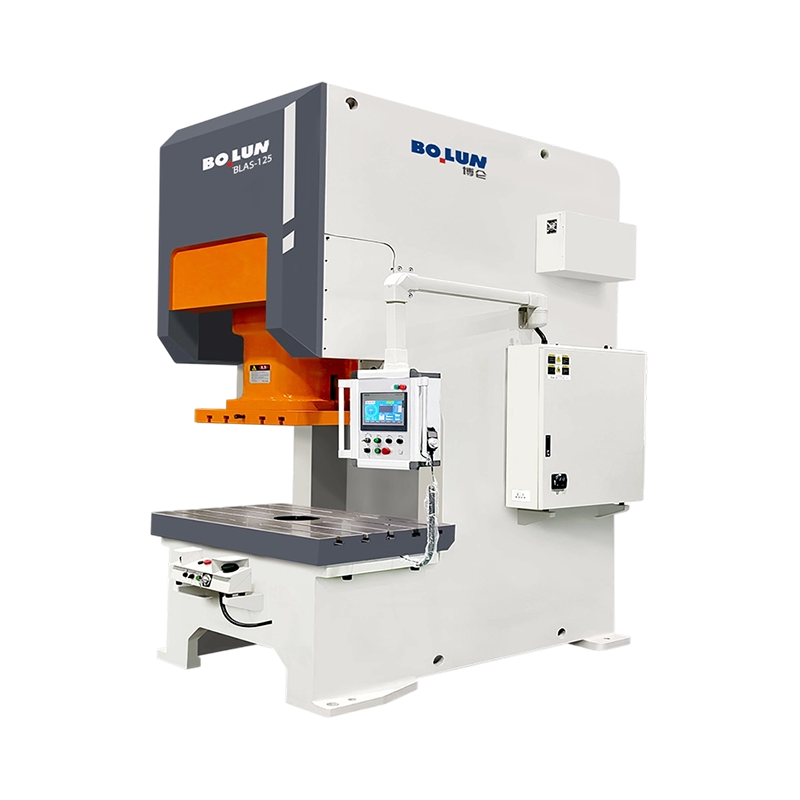
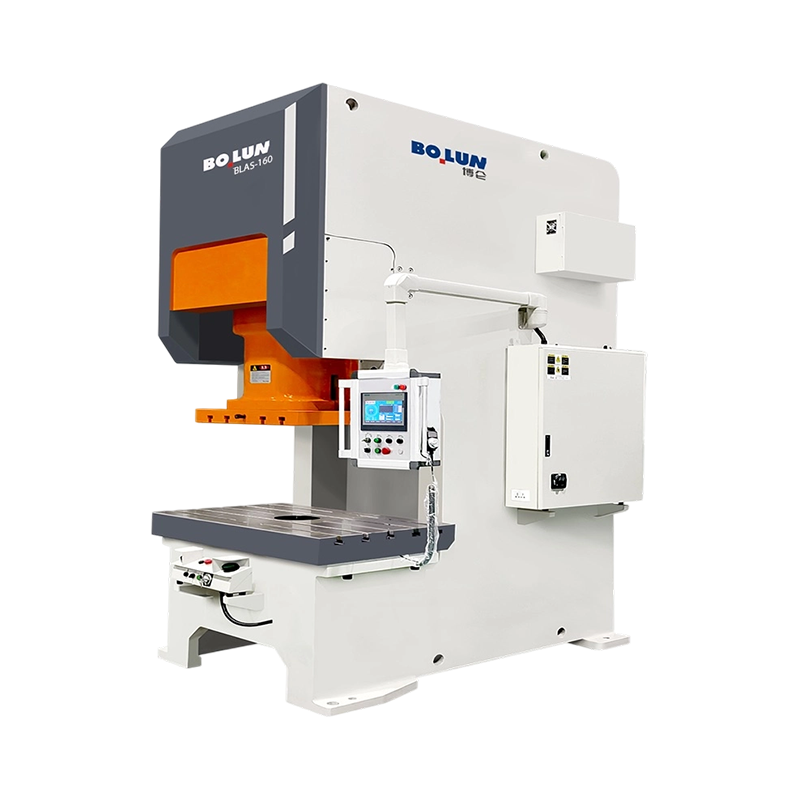
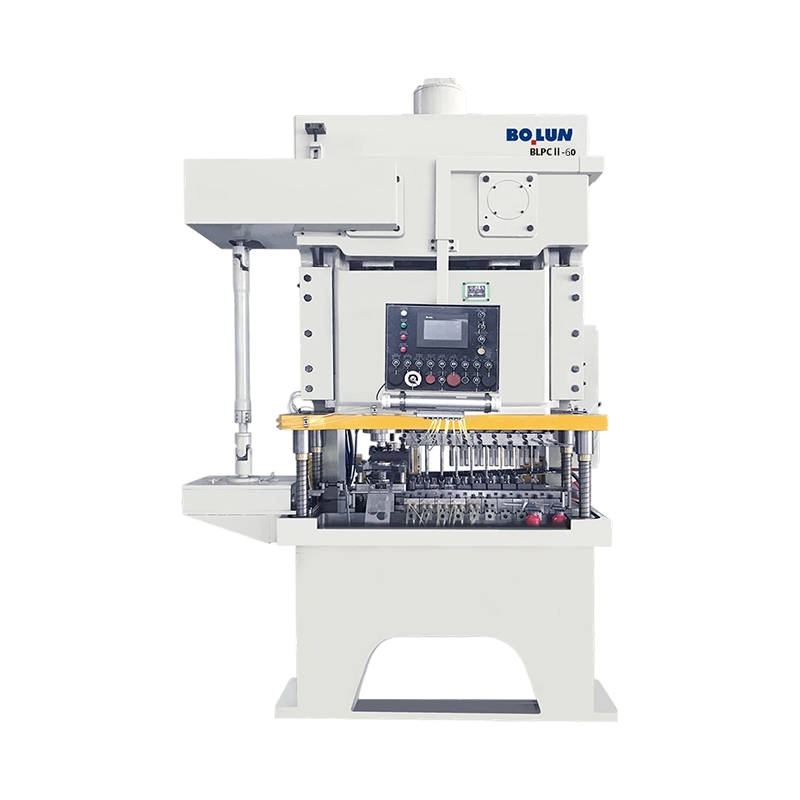
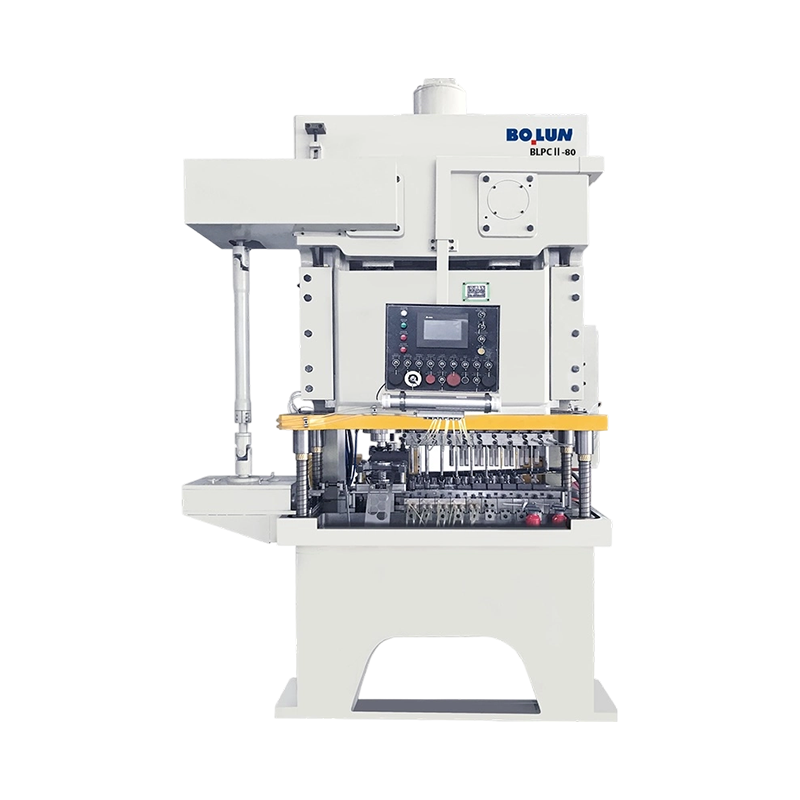
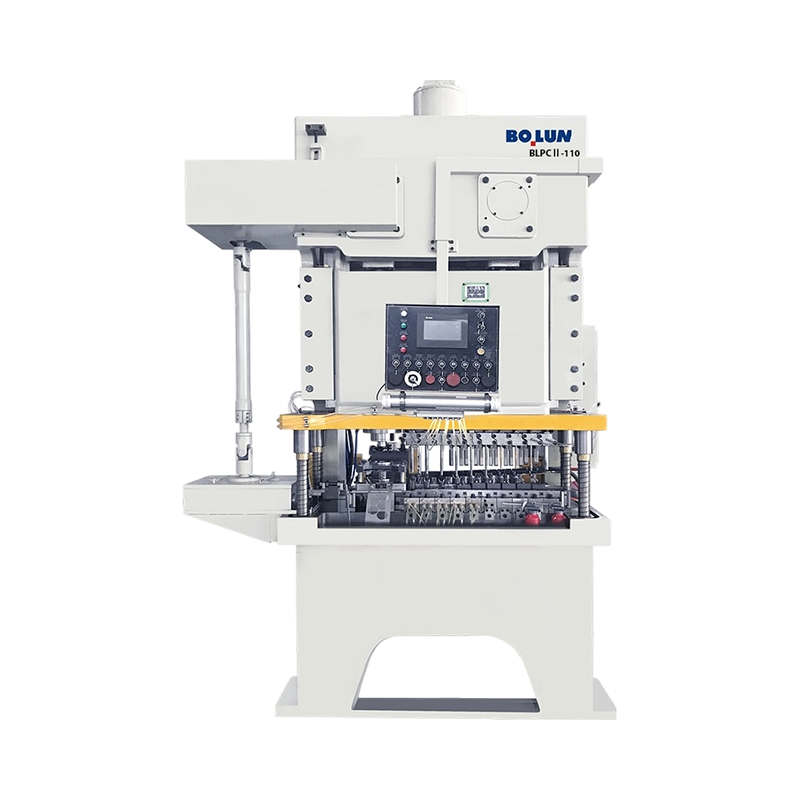
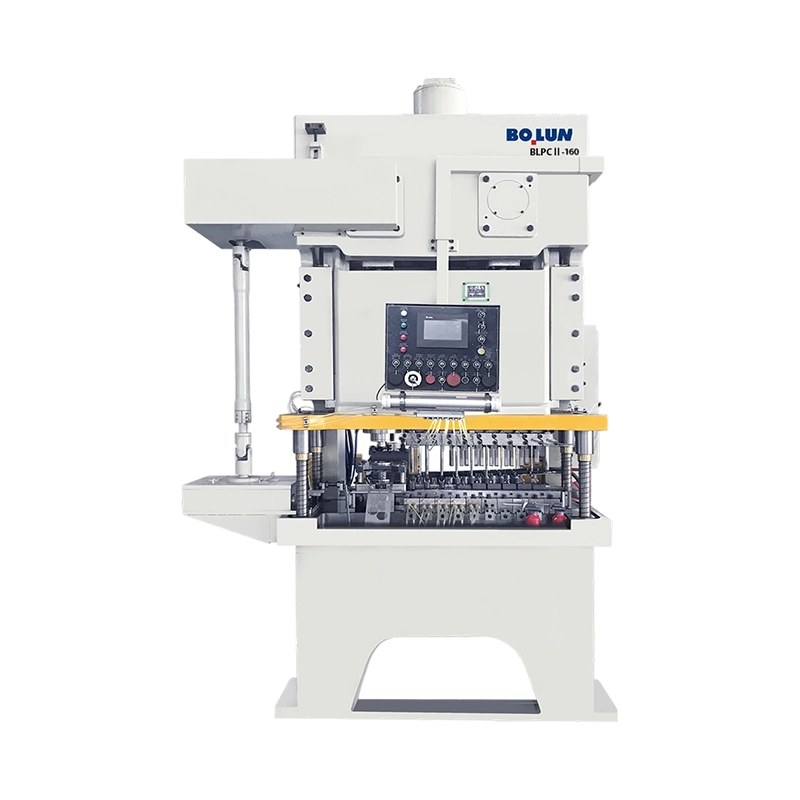
As China Open Type Power Press Machine Factory and Open Type Power Press Machine Manufacturers, Zhejiang Bolun High-Precision Machinery Co., Ltd. is located in Zhejiang, the heart of China’s precision manufacturing. With two decades of deep roots in the machinery manufacturing industry, the company has leveraged profound industry accumulation and technical breakthroughs to evolve into a modern, leading enterprise in high-precision forming equipment. We integrate R&D, design, production, sales, and service. From our early days of persevering through challenges to our current leadership in the fields of forging and casting machinery, Bolun Machinery has established a professional, mature, and efficient production management system. We are dedicated to providing global customers with superior industrial machine tool solutions.
 More About Us
BOLUN
More About Us
BOLUN

0+
years
Industry Experience

0+
Units Produced (Previous Year)

0+
Number of Employees

0+
$
Million Annual Output Value

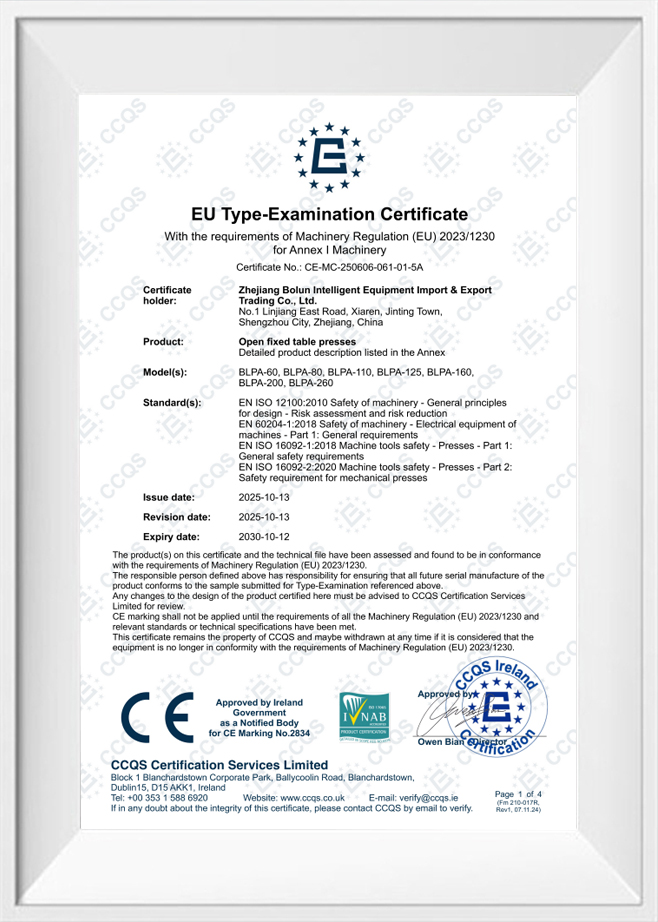
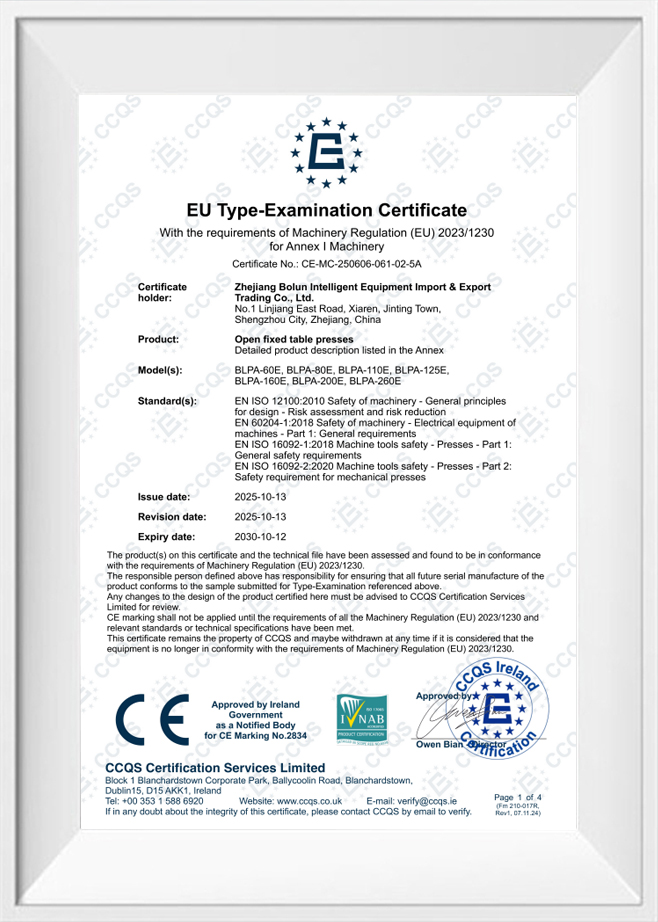
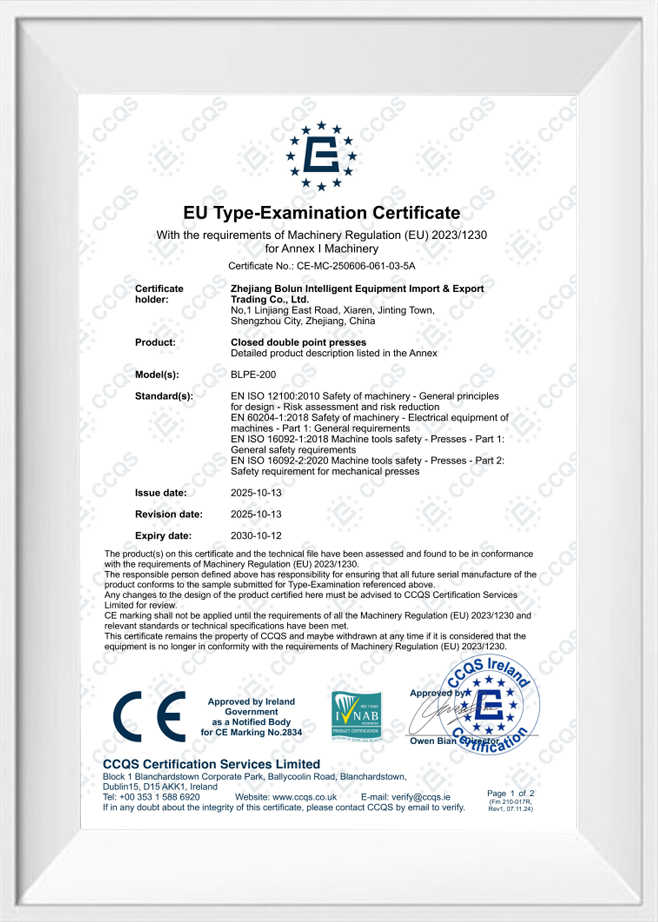
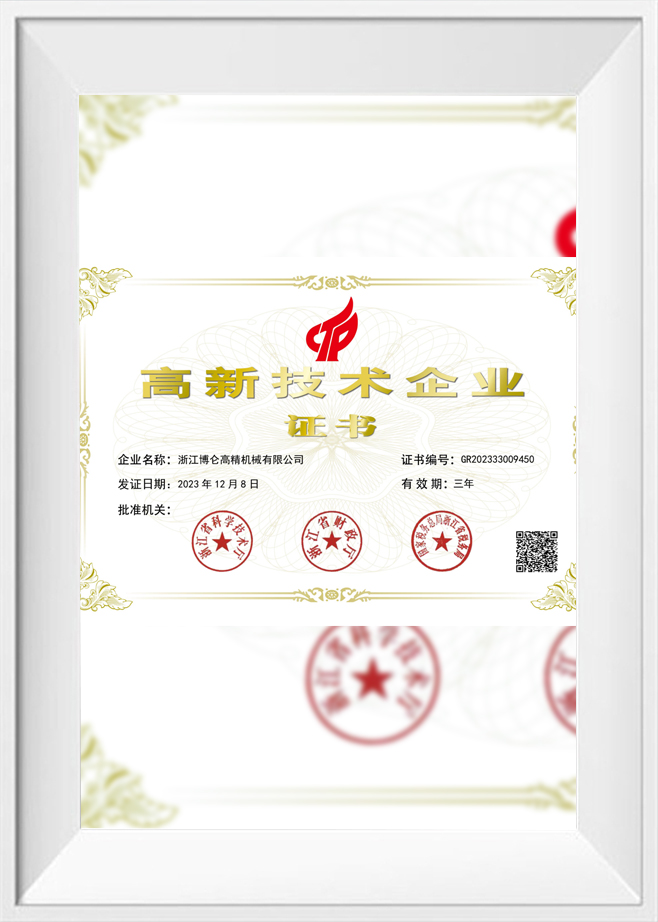
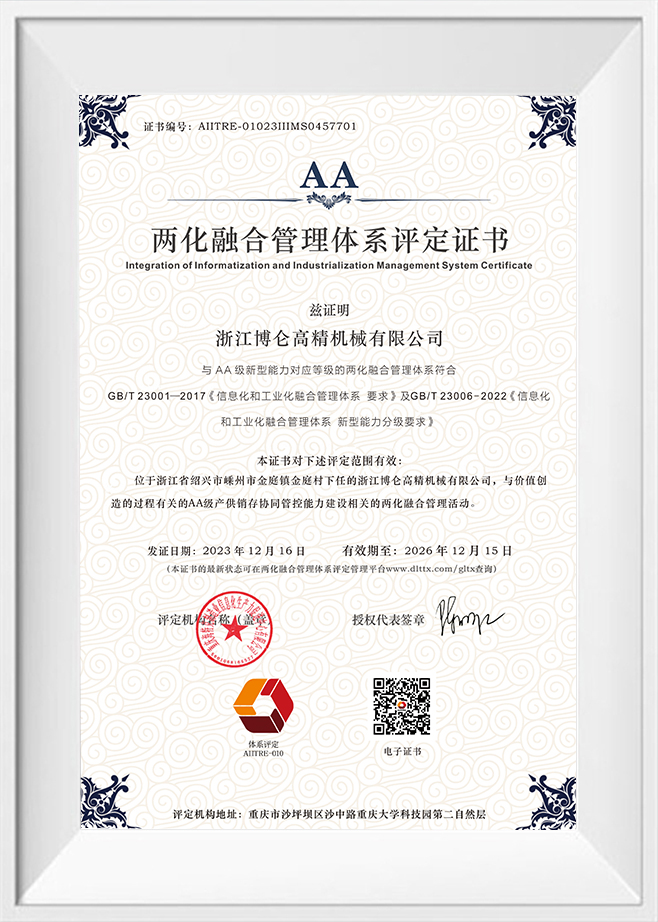
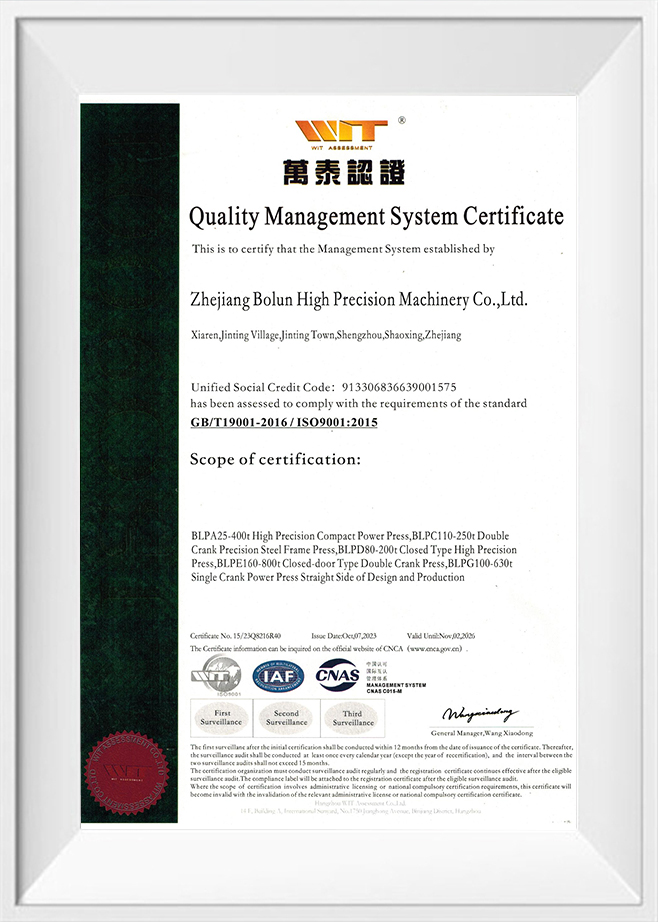
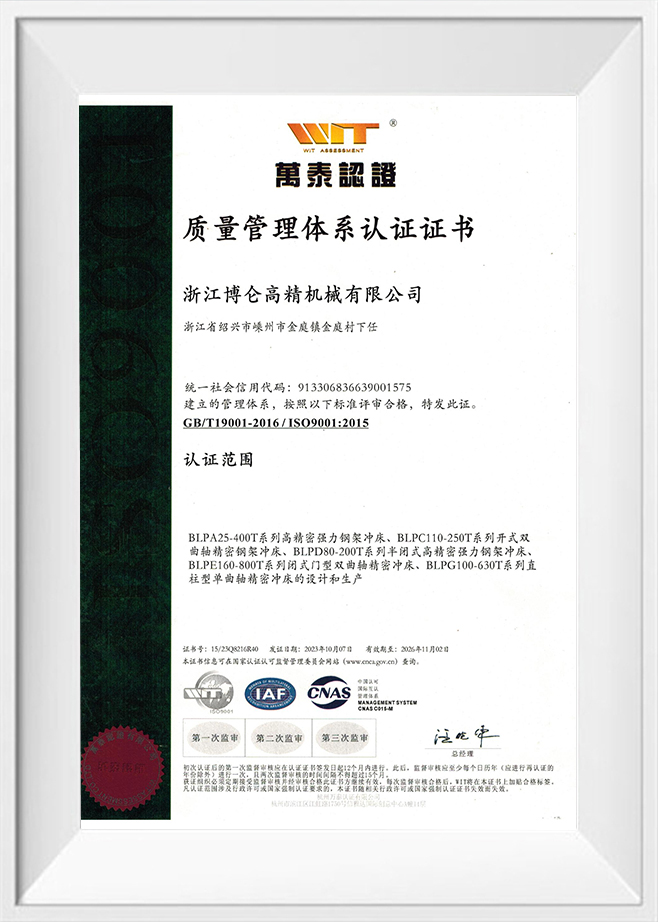
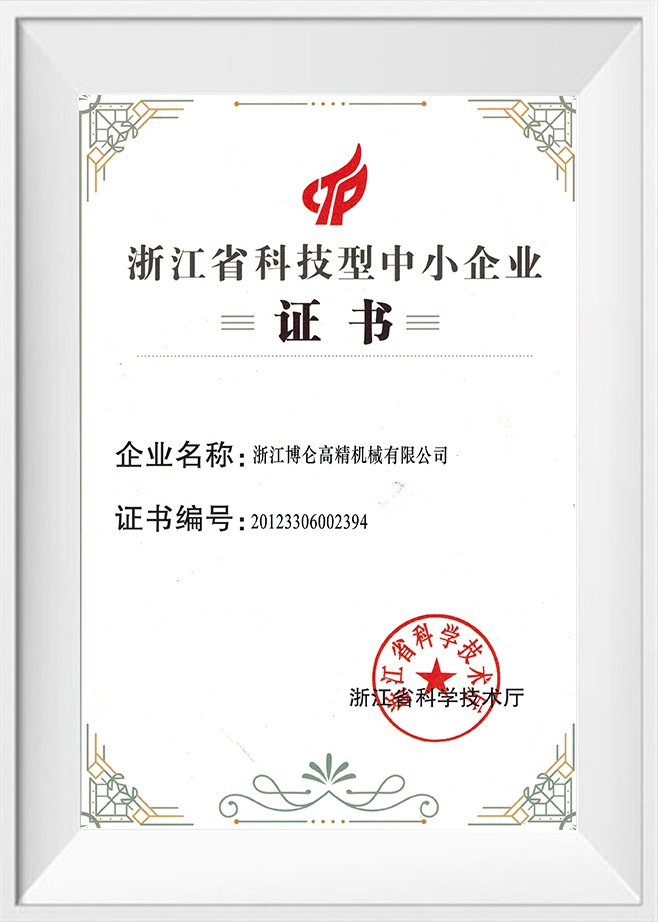
Put a 160-ton open-frame press and a 160-ton closed-frame press side by side and the difference is visible from thirty feet away. One leaves the die area open on three sides so an operator can slide a wide blank in by hand; the other wraps...
Start With the Purchase Decision, Not the Definitions A procurement engineer comparing a 200-ton hydraulic press quote with a 200-ton mechanical power press quote often finds two different machines, two different cost structures, and two d...
A tooling engineer quotes a new bracket program and specifies a 160-ton press. The die is built, the machine is installed, and on the first production run the slide stalls six millimetres above bottom dead centre. Nothing is broken. The to...
A production manager walks into an engineering meeting with a stack of drawings for a high-volume fastener, a bearing race, and a battery shell. The common question is: “Can we make these faster, with less scrap, and with better fatigue li...
In metal forming, C-frame or gap-frame configurations are widely utilized due to their accessible design. This equipment, commonly referred to as an open type power press machine, allows operators easy access to the die area for material feeding and part removal. However, this open configuration introduces a specific physical challenge known as the opening phenomenon, or angular deformation. When the press slide descends and contacts the workpiece, the reaction force pushes upward on the slide and downward on the bed. Because this frame lacks vertical structural columns at the front, the throat of the press tends to flex outward under load, causing the slide and the bed to lose their parallel relationship. This angular deflection directly compromises the alignment of the punch and the die, leading to geometric errors in the finished parts.
The magnitude of this opening is proportional to the forming tonnage and the depth of the press throat. Even minor angular deviations can cause the tooling to enter the die cavity at an angle rather than along a straight vertical path. This misalignment alters the clearance distribution between the punch and die, resulting in localized high-pressure zones where the metal is pinched tightly, while other areas experience insufficient pressure. Over continuous production runs on a standard open type power press machine, this structural flexing accelerates die wear and introduces uneven structural loads into the press frame itself, making it a critical issue for precision stamping operations.
When angular deformation occurs during the stroke of an open type power press machine, the consequences are immediately reflected in both the tooling and the finished components. The uneven clearance between the punch and die causes one side of the mold to experience heavy friction and shearing forces. This leads to premature dulling of the cutting edges, localized chipping, and increased thermal stress. Manufacturers are forced to halt production frequently to regrind or replace damaged die sections, which increases maintenance costs and reduces overall equipment efficiency. Furthermore, the uneven wear patterns make it difficult to maintain consistent part dimensions, resulting in burrs, variations in flange angles, and rejected batches.
Beyond the tooling, non-uniform loading exerts destructive forces on the internal mechanisms of the press. As the slide tilts due to the frame opening, the guiding gibs experience lateral forces. This uneven guiding resistance transfers bending moments to the slide connection rods and the main crankshaft bearings of the open type power press machine. Over time, these unbalanced forces lead to rapid wear of the bronze bushings, localized overheating, and potential micro-cracking in the drive train. Engineers at Zhejiang Bolun High-Precision Machinery Co., Ltd. focus heavily on analyzing these stress distributions to develop frame geometries that distribute workloads evenly across the entire structural assembly.
Addressing the opening phenomenon requires a combination of structural reinforcement and advanced frame design. One primary method involves optimizing the distribution of steel plates within the press frame weldment. By increasing the thickness of the side plates and adding heavy-duty rear box-type structures, the torsional and bending resistance of the open type power press machine can be greatly increased. Modern design methodologies utilize finite element analysis to locate areas of high stress concentration and add internal ribbing precisely where the deflection forces are concentrated. This ensures that the frame remains stiff without adding unnecessary weight to non-critical areas of the machine.
Another approach is the transition to straight-side or tie-rod frame designs for applications requiring high precision. Straight-side presses feature closed frames with vertical columns at all four corners, which naturally eliminates the angular opening behavior. The upward and downward forming forces are contained within a rigid closed loop, restricting deflection to purely vertical elongation, which does not tilt the slide. For gap-frame machinery where open access must be maintained, incorporating pre-stressed tie rods that physically clamp the upper and lower halves of the open type power press machine together can restrict the outward flex during high-tonnage cycles.
To help production engineers select the correct equipment configuration, the table below compares how different frame structures behave under load and their susceptibility to angular deformation.
| Frame Configuration | Deflection Profile | Impact on Die Alignment | Recommended Application Limits | Access Characteristics |
|---|---|---|---|---|
| Standard C-Frame (Unreinforced) | Angular Opening (Flexing) | High clearance deviation | Low-tonnage, loose-tolerance parts | Three-side open access |
| Reinforced Box-Type C-Frame | Restricted Angular Flexing | Moderate to low deviation | Medium-tonnage, general forming | Three-side open access |
| Straight-Side (H-Frame) | Pure Vertical Deflection | Minimal deviation | High-tonnage, tight-tolerance progressive dies | Front and rear access only |
While frame stiffness is the foundation of deflection control, the slide guiding system acts as the active line of defense against angular misalignment. High-precision open type power press machine designs utilize long, multi-point gibbing systems to constrain slide movement. Adjusting these gibs to tight clearances ensures that even if the frame experiences angular deflection under load, the slide is physically held parallel to the bed by the guide rails. Standard four-point gibs offer basic guiding, but advanced eight-point full-length guide configurations provide enhanced resistance to lateral forces and off-center loads.
To maintain parallelism during off-center loading conditions, some press systems incorporate hydraulic dynamic parallel control. This technology utilizes sensors to detect slide tilt in real time during the downward stroke. If a tilt is detected due to non-uniform material resistance or frame deflection, fast-acting hydraulic cylinders under the slide or bed adjust their pressure instantly to counteract the angular movement. Bolun Machinery implements these robust guiding and monitoring solutions to ensure that slide parallelism is maintained even when running demanding, asymmetrical progressive dies at high speeds.
In addition to machine-level solutions, the layout of the mold itself plays a crucial role in preventing non-uniform loading. Tooling designers must calculate the center of pressure for complex progressive dies and align this center precisely with the centerline of the press slide. If the center of pressure is offset on an open type power press machine, it creates a rotational torque that amplifies the angular opening of the press frame. When asymmetrical parts make it impossible to align the center of pressure perfectly, balancing pads or dummy draw beads can be added to the non-working areas of the die to distribute the forming forces symmetrically across the bolster plate.
Incorporating guide sub-posts within the die set itself provides a localized method for maintaining alignment. While these die-mounted guide posts cannot prevent the press frame from flexing, they help guide the punch into the die plate with high local precision, absorbing some of the minor shear forces caused by slide tilt. However, relying solely on die guide posts is not a permanent solution, as the lateral forces will eventually wear out the guide bushings. True longevity and part consistency are only achieved when a rigid, well-engineered press structure works in tandem with balanced tooling layouts.
Q: What measures are taken to control angular deflection during heavy-duty stamping operations on open type power press machines?
A: To mitigate the opening phenomenon inherent to C-frame structures, Zhejiang Bolun High-Precision Machinery Co., Ltd. utilizes heavy welded steel frames reinforced with internal ribbing. This structural rigidity, paired with precise frame stress-relieving processes, minimizes angular deflection and keeps the slide and bolster parallel under full tonnage loads.
Q: How do Bolun Machinery open type power press machines protect expensive stamping dies from premature wear caused by unbalanced loading?
A: Our press designs incorporate long, high-precision guide gibs that firmly constrain slide movement even under off-center loads. By keeping the punch and die in precise alignment throughout the stroke, the machinery prevents localized friction and uneven tooling wear, extending the overall lifespan of the molds.
Q: Can these open type power press machines handle high-frequency automated production without overheating?
A: Yes, each machine is configured with an efficient pneumatic clutch-brake system and a continuous forced lubrication system. This setups minimizes thermal build-up during rapid cycling, ensuring reliable, continuous automated operation while protecting the main bearings and gears from thermal wear.
Q: What safety systems are integrated into your open type power press machines to protect operators during manual loading?
A: We equip our machines with dual-hand run buttons, responsive hydraulic overload protectors, and fast-acting safety valves. These systems work in tandem with optional light curtains to immediately halt slide motion if any safety boundary is crossed, ensuring a safe working environment for manual part-feeding setups.
Q: How does Bolun Machinery assist customers in matching an open type power press machine to complex, progressive die layouts?
A: We leverage our professional engineering and design teams to offer customized solutions, adjusting stroke lengths, bolster dimensions, and bolster-to-slide clearances. This ensures that the dynamic stroke behavior and feed window of the press match the exact progression pitch and force requirements of your custom progressive tooling.
Contact Us

+86-575-83362228

+86-13735238388

+86-575-83362999

+86-15158259588

Hangzhou Office Add: No. 332 Wangjiang East Road, Shangcheng District

No.1 Linjiang Road East, Xiaren, Jinting Town, Shengzhou City, Zhejiang Province, China
Ready to Begin?
Get in Touch

Now!

ZHEJIANG BOLUN
 English
 中文简体
中文简体