
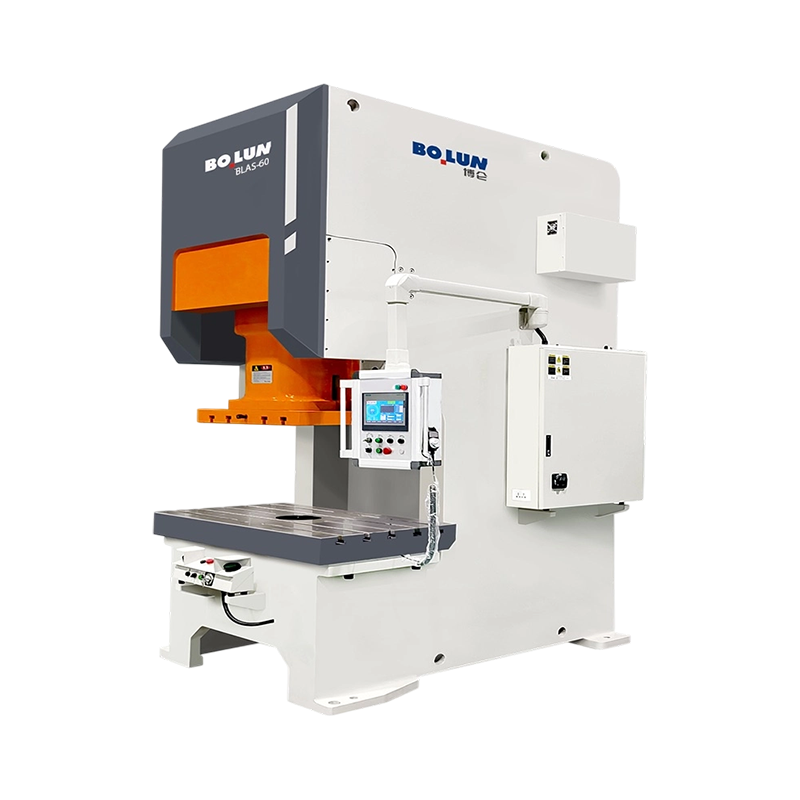


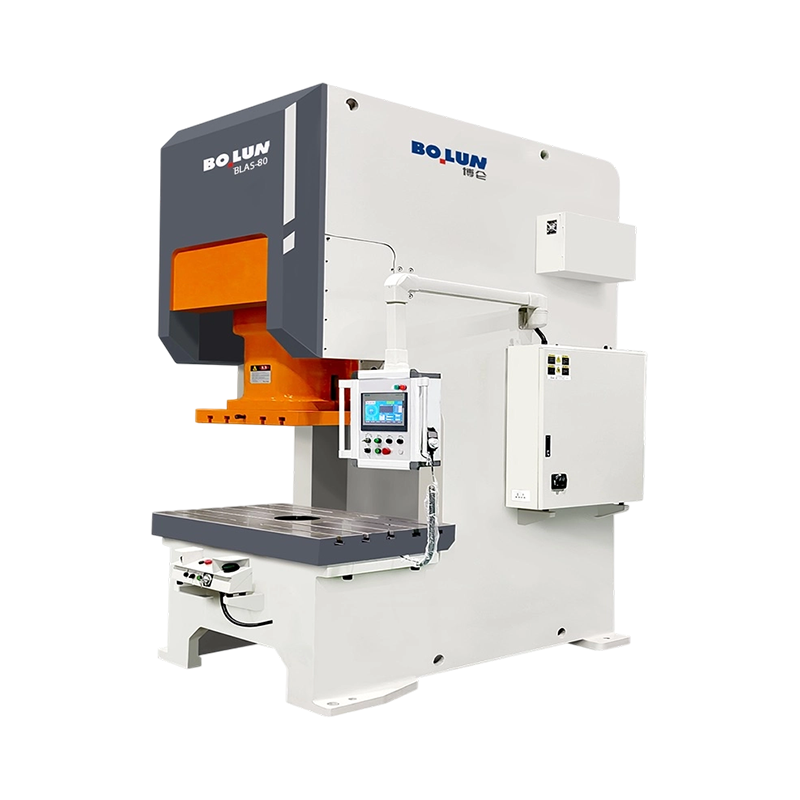
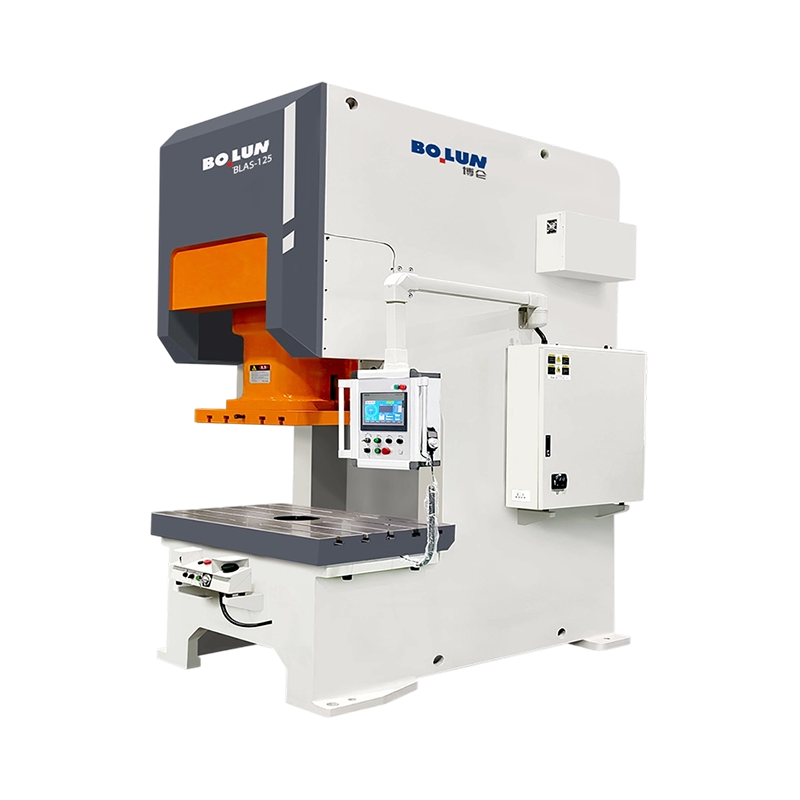
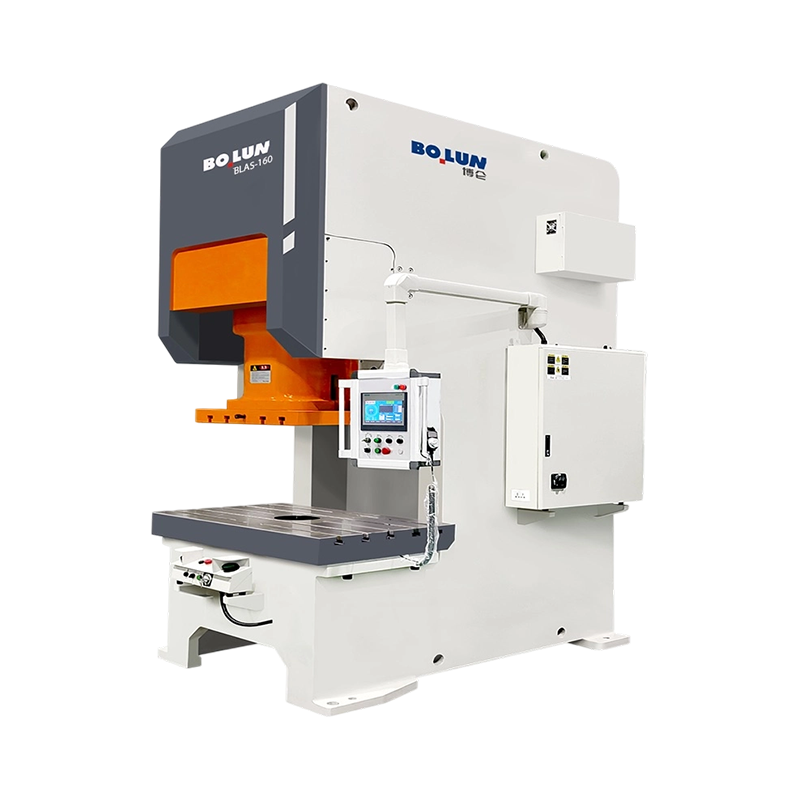
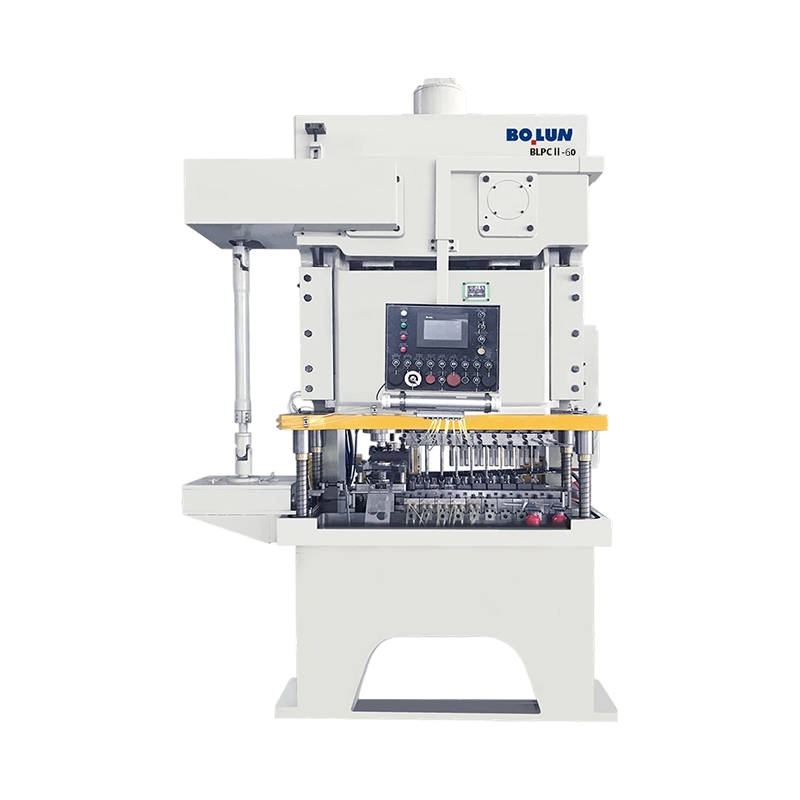
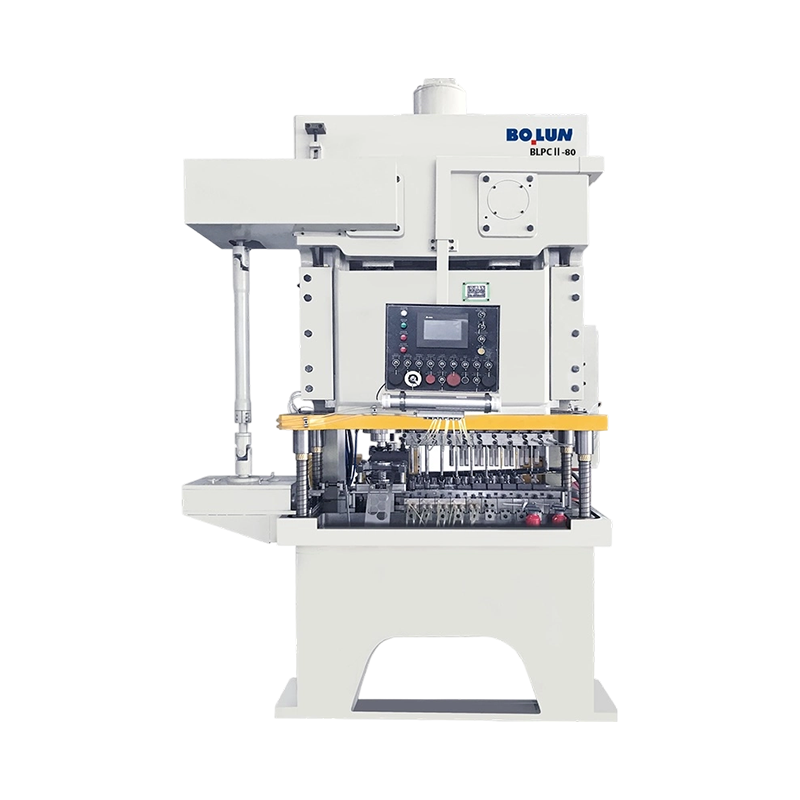
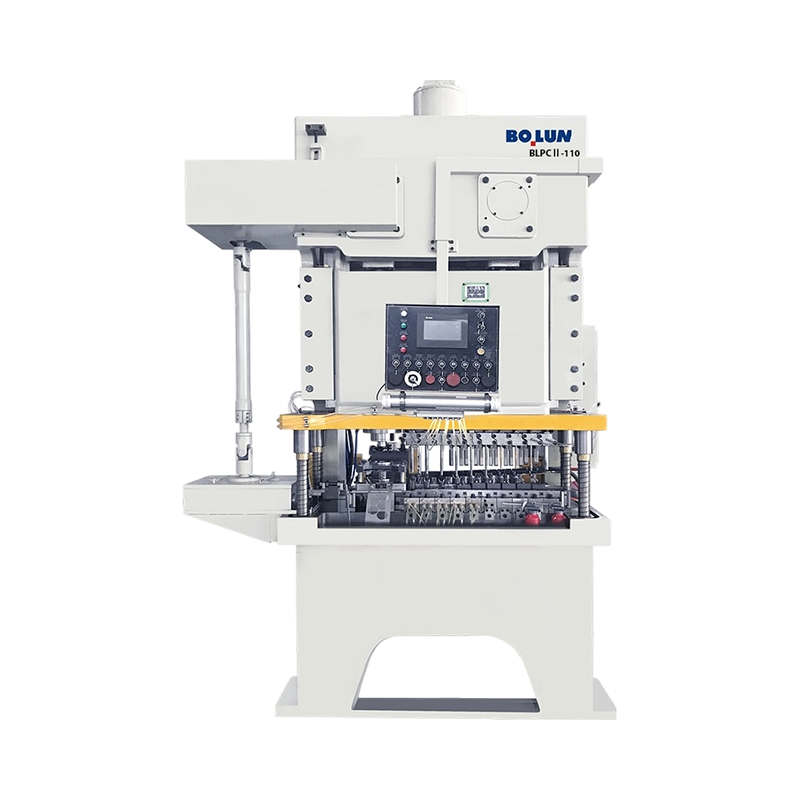
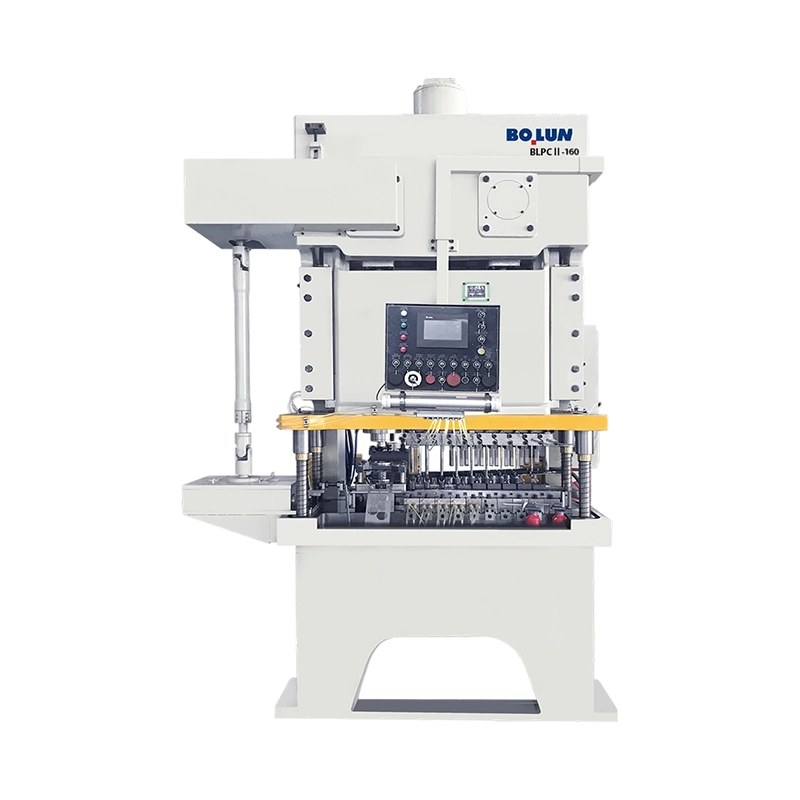
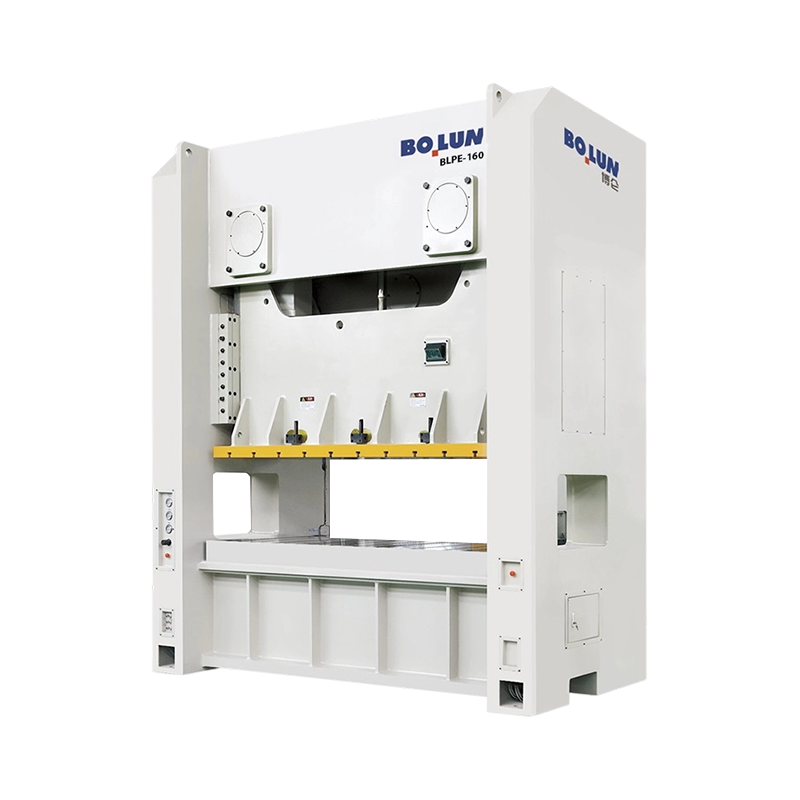
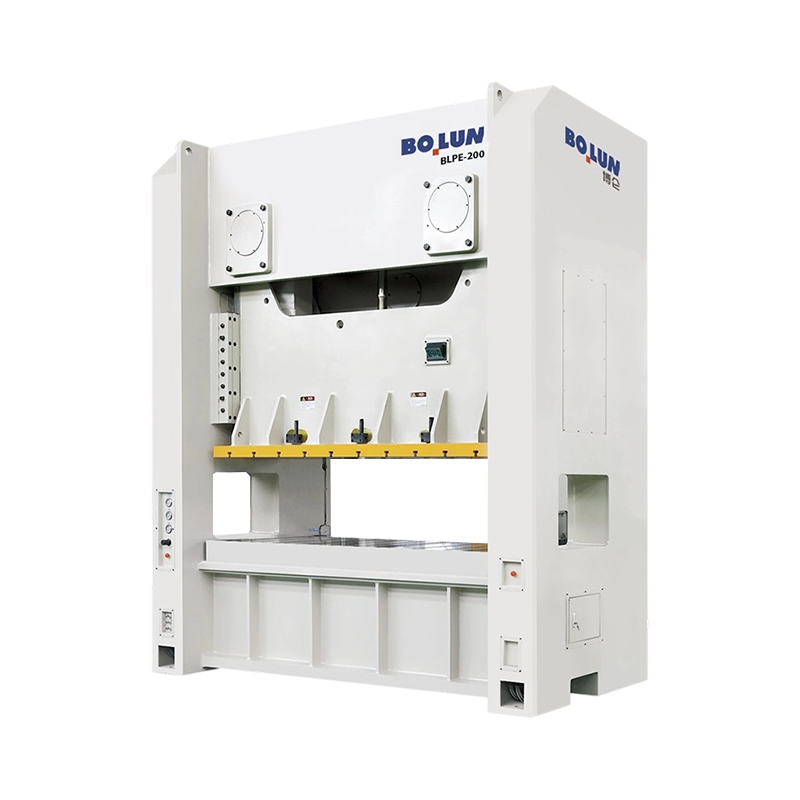
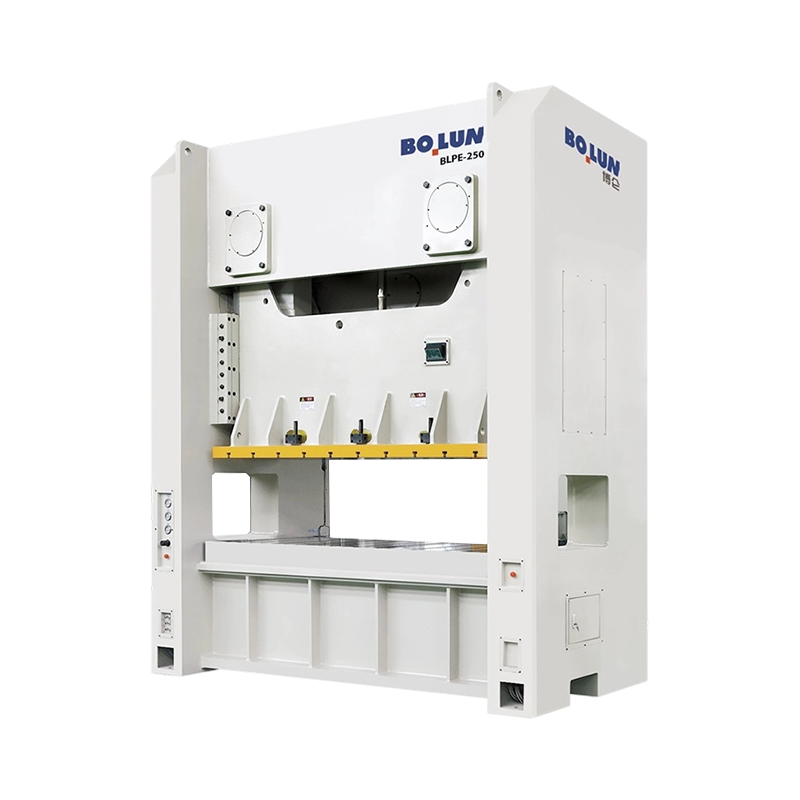
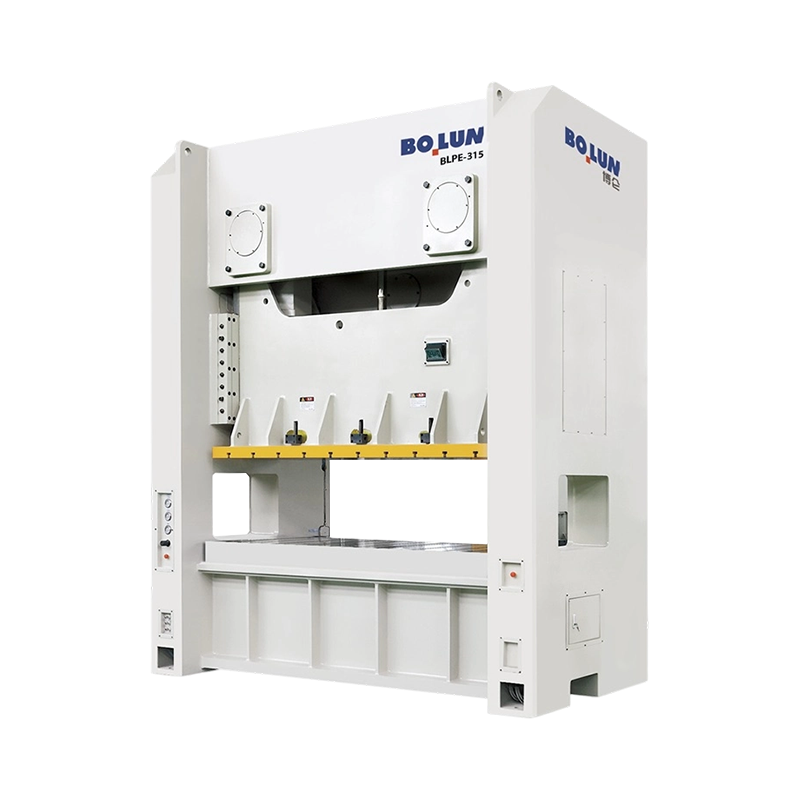
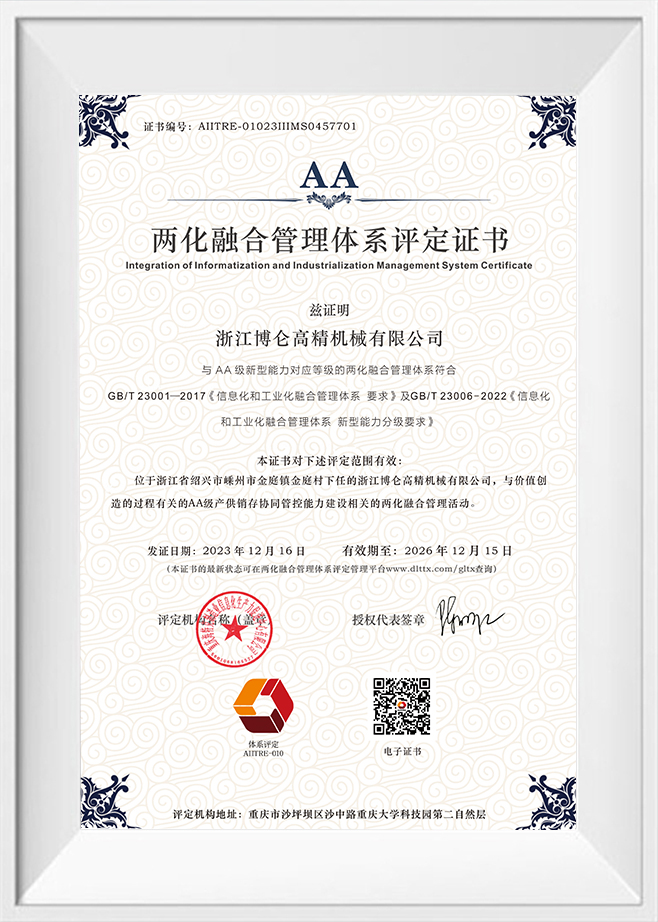
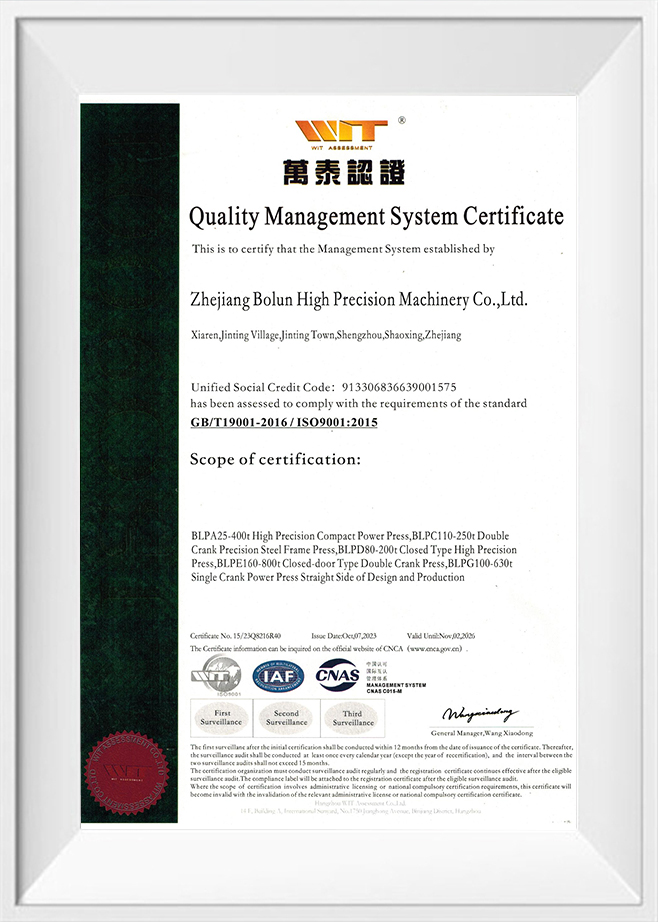
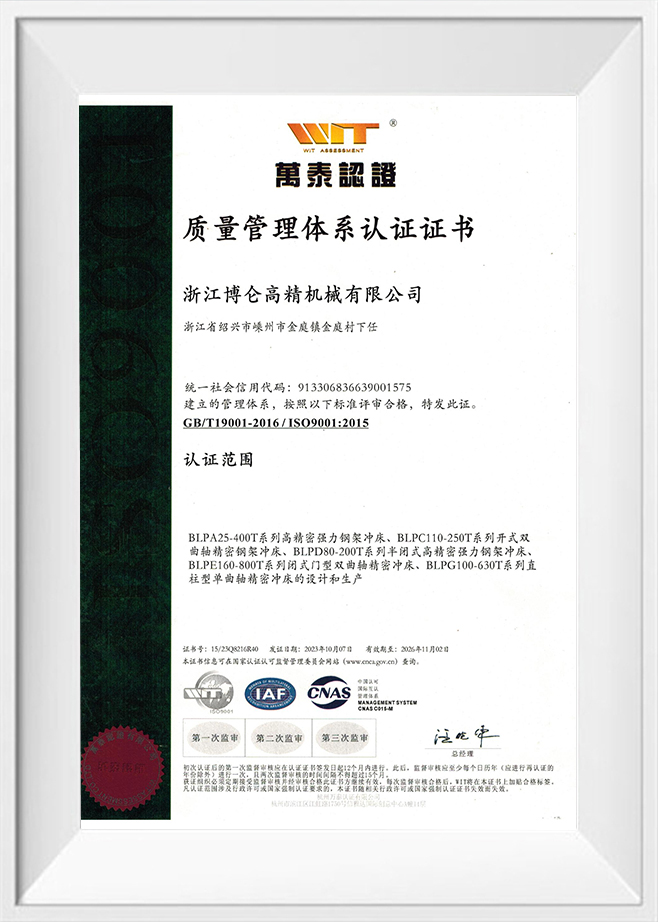
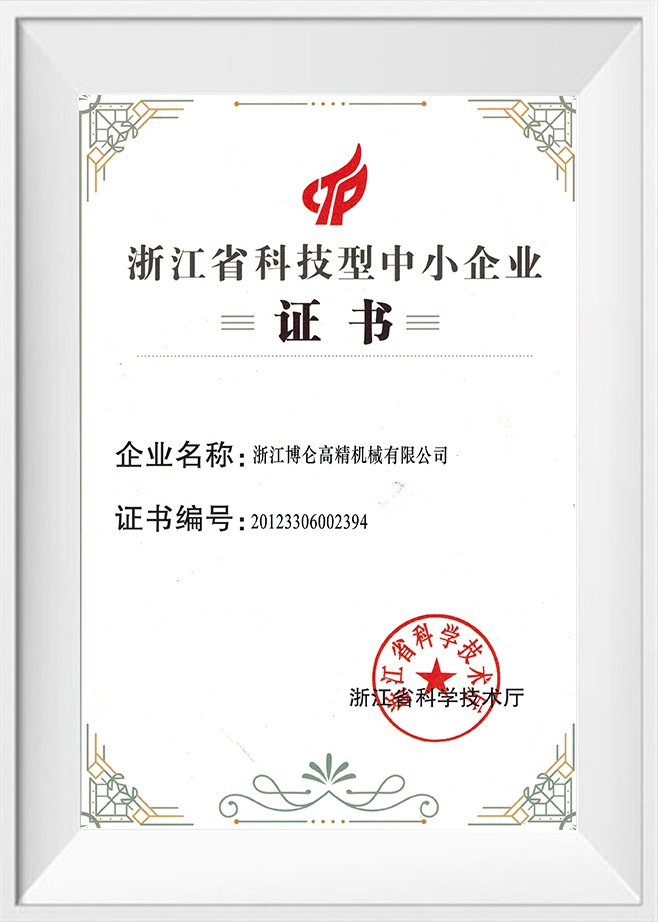
As China Mechanical Power Presses Manufacturers and Industrial Machine Tool Factory, Zhejiang Bolun High-Precision Machinery Co., Ltd. is located in Zhejiang, the heart of China’s precision manufacturing. With two decades of deep roots in the machinery manufacturing industry, the company has leveraged profound industry accumulation and technical breakthroughs to evolve into a modern, leading enterprise in high-precision forming equipment. We integrate R&D, design, production, sales, and service. From our early days of persevering through challenges to our current leadership in the fields of forging and casting machinery, Bolun Machinery has established a professional, mature, and efficient production management system. We are dedicated to providing global customers with superior industrial machine tool solutions.
 More About Us
BOLUN
More About Us
BOLUN

0+
years
Industry Experience

0+
Units Produced (Previous Year)

0+
Number of Employees

0+
$
Million Annual Output Value

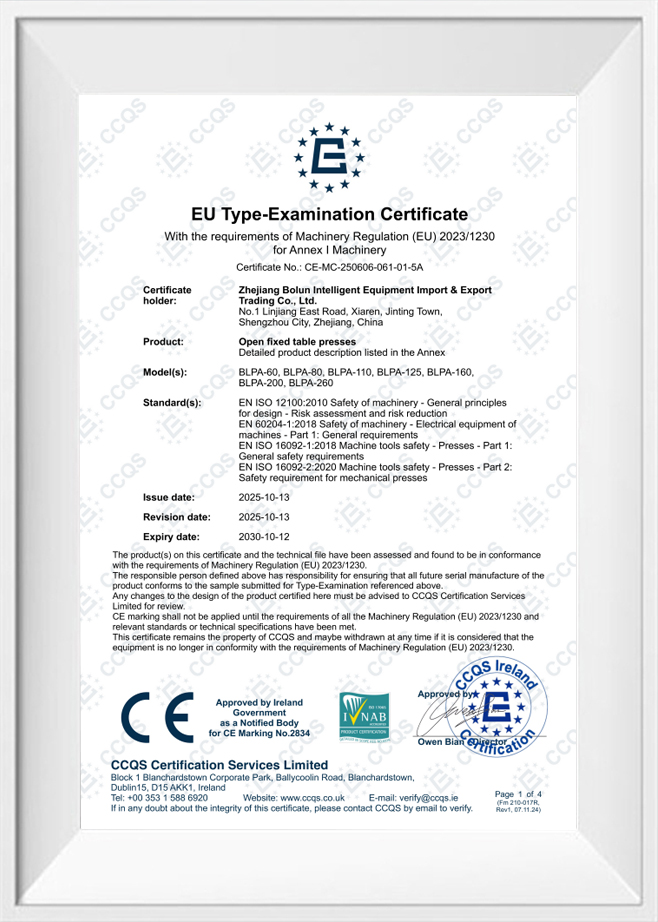
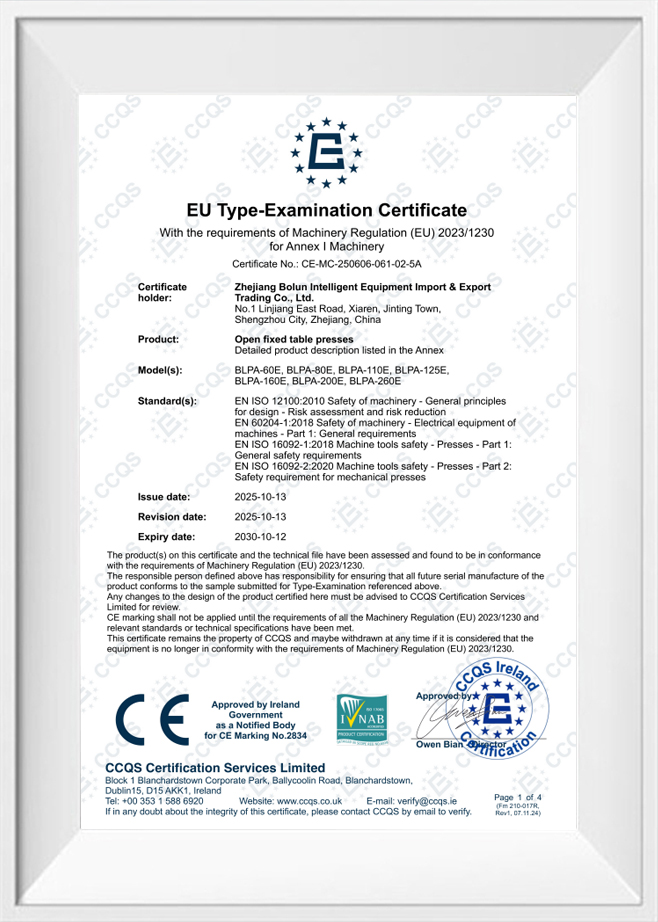
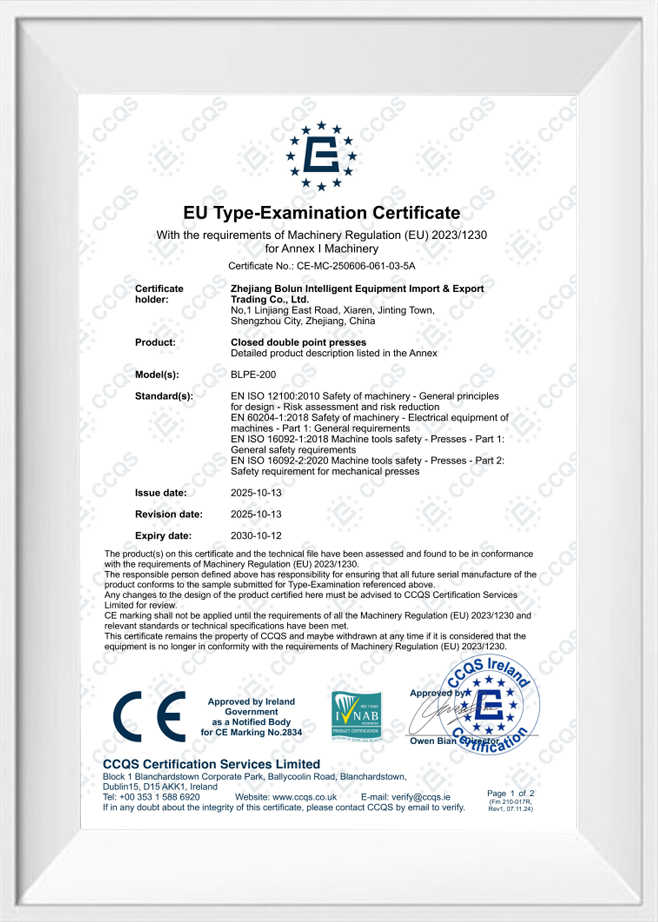
Put a 160-ton open-frame press and a 160-ton closed-frame press side by side and the difference is visible from thirty ...
Start With the Purchase Decision, Not the Definitions A procurement engineer comparing a 200-ton hydraulic press quote ...
A tooling engineer quotes a new bracket program and specifies a 160-ton press. The die is built, the machine is install...
A production manager walks into an engineering meeting with a stack of drawings for a high-volume fastener, a bearing r...
A fastener plant in Taizhou receives a request from an automotive tier-one supplier: 8 million socket-head cap screws i...
A mid-size fastener manufacturer recently faced a familiar problem: its CNC lathes were chewing through bar stock at a ...
The global manufacturing landscape continues to shift toward lightweight structures to meet efficiency standards and structural safety requirements. Advanced High-Strength Steel, often abbreviated as AHSS, and lightweight aluminum alloys present distinct physical characteristics compared to conventional mild steel. AHSS exhibits a high yield strength, which means it requires substantial force to initiate plastic deformation, and is prone to springback after the forming cycle is complete. Aluminum alloys, on the other hand, possess lower density but exhibit limited formability and a susceptibility to tearing when subjected to rapid deformation. Understanding these basic material variations is the first step in determining how modern forming machinery handles these modern metals.
When stamping AHSS, the energy required to shear or bend the metal is high, resulting in heavy shock loads on the press components. Conversely, aluminum has a lower elastic modulus, meaning it deflects more easily under load and can suffer from surface scuffing during the draw stage. These material behaviors necessitate specific adaptations in the mechanical press structure, drive mechanism, and die cushion systems. Manufacturers must evaluate the yield-to-tensile ratio and elongation limits of each material to configure the press parameters correctly, ensuring consistent part geometry and preventing premature tool wear.
To process high-strength materials, industrial mechanical power presses must be rated for high forces. Traditional mild steel might require a standard tonnage profile, but AHSS grades can demand twice or three times the forming force for the same part thickness. The press must not only deliver this peak force but also manage the reverse shock or snap-through load that occurs when the material shears. This sudden release of stored energy can cause vibration throughout the press frame and drive train, potentially damaging the clutch, brake, and gears over extended operation. Specialized engineering by Zhejiang Bolun High-Precision Machinery Co., Ltd. focuses on designing robust frames and heavy-duty drive shafts to mitigate these structural stresses during high-tonnage cycles.
Aluminum forming presents a different set of challenges related to energy and load management. While aluminum requires lower overall tonnage than AHSS, the press must maintain a highly controlled application of force. Because aluminum has a narrow forming window, any fluctuation in tonnage during the stroke can lead to localized necking or splitting. Industrial mechanical power presses must feature rigid guiding systems, such as eight-point gibbing, to ensure that the slide remains parallel to the bed under off-center loads, preventing uneven pressure distribution across the workpiece. This thermal and structural stability ensures the material flows uniformly into the die cavity.
One of the primary difficulties in forming high-strength steel is managing springback, which is the tendency of the metal to return to its original shape after the forming force is removed. Standard mechanical presses with a fixed crank motion move the slide in a simple harmonic profile, which may not allow enough time at the bottom of the stroke for the material to set. To overcome this, mechanical presses can utilize specialized link-motion drives or servo-drive systems that alter the slide speed during the forming zone. By slowing down the slide near the bottom dead center, the press allows the material to undergo plastic deformation more thoroughly, reducing internal stresses and minimizing springback.
For aluminum alloys, slide speed is equally critical but for a different reason. Aluminum is highly sensitive to the rate of strain. If the forming speed is too high, the material does not have sufficient time to flow, leading to fractures at tight radii. A slower, more consistent slide speed during the draw phase helps prevent these failures. Link-motion industrial mechanical power presses are designed to reduce the slide velocity during the working portion of the stroke while speeding up the non-working portion to maintain productive cycle times. This mechanical optimization allows operators to run aluminum parts reliably without sacrificing overall production output.
The following data outlines the typical mechanical requirements and press performance characteristics observed when processing mild steel, advanced high-strength steel, and aluminum alloys on modern mechanical presses.
| Material Category | Typical Tensile Strength (MPa) | Press Tonnage Factor (Relative) | Springback Tendency | Recommended Slide Velocity |
|---|---|---|---|---|
| Mild Steel | 270 - 340 | 1.0 (Baseline) | Low | Standard to High |
| Advanced High-Strength Steel (AHSS) | 590 - 1200+ | 2.0 - 3.0 | High | Slowed at Bottom Dead Center |
| Aluminum Alloys (5xxx / 6xxx Series) | 120 - 350 | 0.6 - 0.8 | Moderate | Controlled and Consistent |
The structural stiffness of the press frame is a key factor when dealing with both high-strength steels and aluminum. Under load, all press frames experience some degree of deflection, which can be angular or vertical. When processing AHSS, the extreme forces push the bed and slide apart, causing the die alignment to shift. Even a tiny misalignment can result in rapid tool wear, burrs on the sheared edges, and out-of-tolerance parts. Solid tie-rod frame construction, common in heavy-duty industrial mechanical power presses, pre-stresses the frame structure to minimize this deflection, ensuring that the punches and dies align accurately throughout the forming cycle.
When working with aluminum, deflection control is critical to maintaining a uniform blank holder force. Because aluminum is highly sensitive to friction and material flow, any tilt in the press slide will cause uneven clamping pressure. This uneven pressure leads to wrinkling in areas with too little force, or tearing in areas with too much force. Modern mechanical presses utilize precision-machined gibs and robust slide guides to ensure parallel movement, which prevents the slide from tilting even when the forming forces are unbalanced. Bolun Machinery incorporates these structural considerations into their equipment design to provide stable processing platforms for diverse metal types.
Successfully drawing deep aluminum components or complex AHSS parts relies heavily on the performance of the die cushion system located in the press bed. The die cushion provides the necessary resistance to control the flow of the sheet metal into the die. For AHSS, the cushion must exert high pressure to prevent the strong material from wrinkling, yet must release that pressure gradually to avoid sudden shocks. For aluminum, the cushion must deliver a highly precise, often variable, blank holder force throughout the stroke, because the material's window between wrinkling and tearing is narrow.
Pneumatic and hydraulic cushion systems integrated into industrial mechanical power presses are now designed with advanced control valves that adjust the resistance dynamically as the slide descends. This allows for a higher clamping force at the start of the draw and a reduced force near the end of the stroke, matching the natural thinning and hardening behavior of the metal. This capability ensures that both high-strength steel and sensitive aluminum alloys can be formed on the same basic press line with proper tooling and cushion programming, making mechanical presses a versatile option for modern manufacturing facilities.
Q: How do industrial mechanical power presses from Bolun Machinery handle the severe snap-through loads associated with high-strength materials?
A: Our press designs incorporate heavy-duty steel welded frames and optimized slide guiding systems to absorb shock energy. By utilizing finite element analysis during the design phase, Zhejiang Bolun High-Precision Machinery Co., Ltd. ensures that frame deflection is kept to a minimum, protecting both the press drive mechanism and the tooling from reverse-load damage.
Q: Can the slide motion profile of these power presses be adjusted to accommodate sensitive materials like aluminum?
A: Yes, we provide mechanical drive modifications, such as link-motion systems, which slow down the slide velocity during the working portion of the stroke. This controlled speed profile prevents tearing in aluminum and reduces springback in high-strength steel, allowing global manufacturers to utilize a single press line for multiple material types.
Q: How easily do Bolun Machinery power presses integrate with automated feeding and transfer systems?
A: Our industrial mechanical power presses are designed with open-architecture control systems and standardized interfaces. This allows integration with progressive die feeders, transfer systems, and robotic part-handling equipment, supporting manufacturers in establishing automated production lines.
Q: What features are included in these presses to prevent premature wear during high-volume production?
A: Each press is equipped with an automatic lubrication system that delivers precise oil volume to the gears, bearings, and gibs. Additionally, our overload protection systems react instantly to tonnage spikes, stopping the press slide immediately to prevent damage to internal mechanical components.
Q: Does Zhejiang Bolun High-Precision Machinery Co., Ltd. offer customization for specific stamping and forming applications?
A: We provide complete R&D, design, and production services to customize stroke length, bolster dimensions, and die cushion configurations. This ensures that the machinery matches the unique requirements of our customers' manufacturing environments and material specifications.
Contact Us

+86-575-83362228

+86-13735238388

+86-575-83362999

+86-15158259588

Hangzhou Office Add: No. 332 Wangjiang East Road, Shangcheng District

No.1 Linjiang Road East, Xiaren, Jinting Town, Shengzhou City, Zhejiang Province, China
Ready to Begin?
Get in Touch

Now!

ZHEJIANG BOLUN
 English
 中文简体
中文简体